
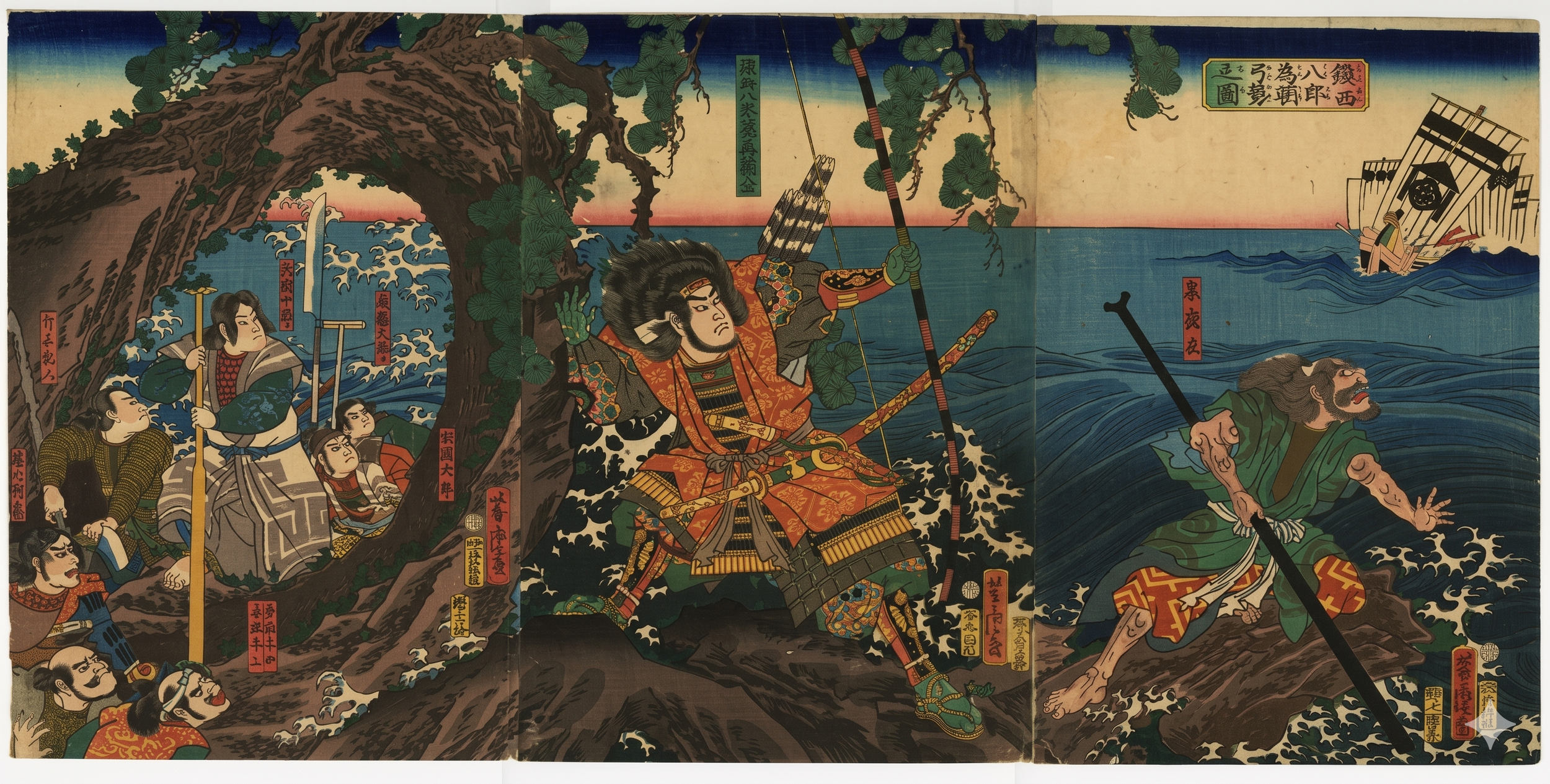
Clash of Clans, 1465: The Eastern Army
APPROXIMATE COMMITTEE SIZE: 30 delegates
Led by Hosokawa Katsumoto, a chief deputy to the shogun and one of the most influential men in Kyoto, the Eastern Army enters the succession crisis determined to both preserve political stability and maintain the Hosokawa clan’s standing in the Shogun’s court. The committee backs Ashikaga Yoshimi, the Shogun’s brother and previously-designated heir, viewing his claim as the legitimate continuation of the Ashikaga government. Additionally, the Hosokawa clan sees the succession crisis as an opportunity to centralize power in the government and install their preferred successor. Though labeled the “Eastern Army,” the committee is far more than a militant group, as they navigate alliances, negotiations, and statesmanship just as much as battlefields and sieges. Beset with upholding the traditional order in the face of alternative vying claims and various factions all grasping at power, the Eastern Army must decide how to stage their preferred successor to the throne while politicking for their own agenda and preparing to prevail at any costs to ensure their influence over the Shogun’s court.
CRISIS MANAGER: Sven Stumbauer
CHAIR: Justin Galdamez Lazo
ISSUES TO CONSIDER
Issue 1: Uphold the Current Order: The Eastern Army is interested in preserving the existing political balance in Kyoto while protecting the Hosokawa clan's influence within the shogunate. How can the Eastern Army defend the current court structure, maintain its standing, and prevent rival factions from destabilizing the authority it already holds?
Issue 2: Secure the Succession: The Eastern Army currently supports Ashikaga Yoshimi as the rightful heir, but above all, they must ensure that whoever secures the throne supports their agenda. How can the Eastern Army rally enough backing to ensure their chosen successor's claim is accepted and protected against competing challengers?
Issue 3: Expand Influence: The succession crisis gives the Eastern Army an opportunity to strengthen its own control over the government and country as a whole. How can the Eastern Army use alliances, negotiation, and political pressure to consolidate power and shape the future of the shogunate?
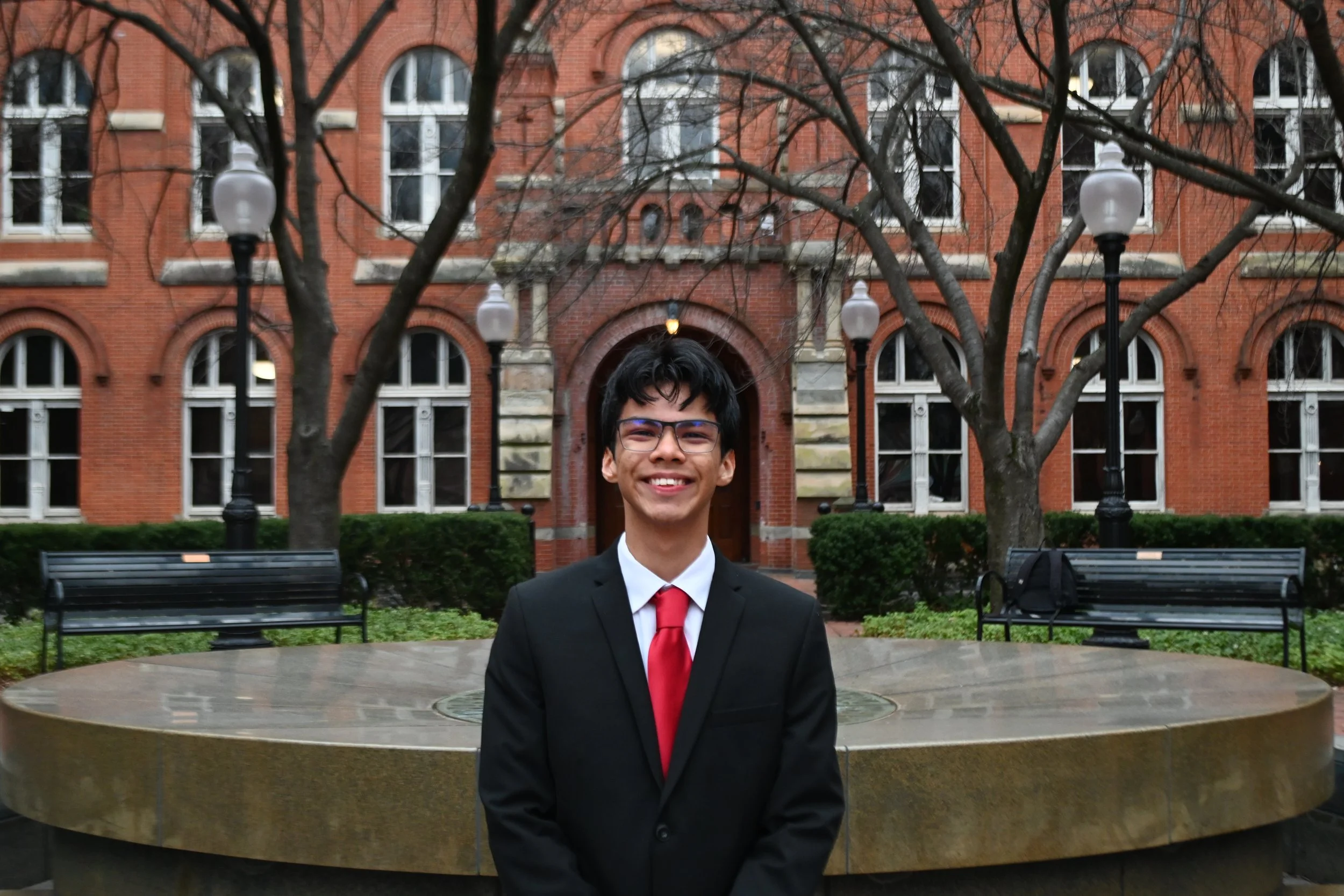
About the Chair
Justin Galdamez Lazo is a member of the Walsh School of Foreign service majoring in International Political Economy. He calls Stafford, Virginia home. He has participated in MUN since his sophomore year of high school, and he has staffed NAIMUN and NCSC, while continuing to compete with the GUMUN team. Outside of MUN, Justin serves on the executive board for The Philonomosian Society, Georgetown’s largest debate society. In his spare time, Justin enjoys listening to Bossa Nova, watching FNAF lore videos, relaxing outside, and baking.
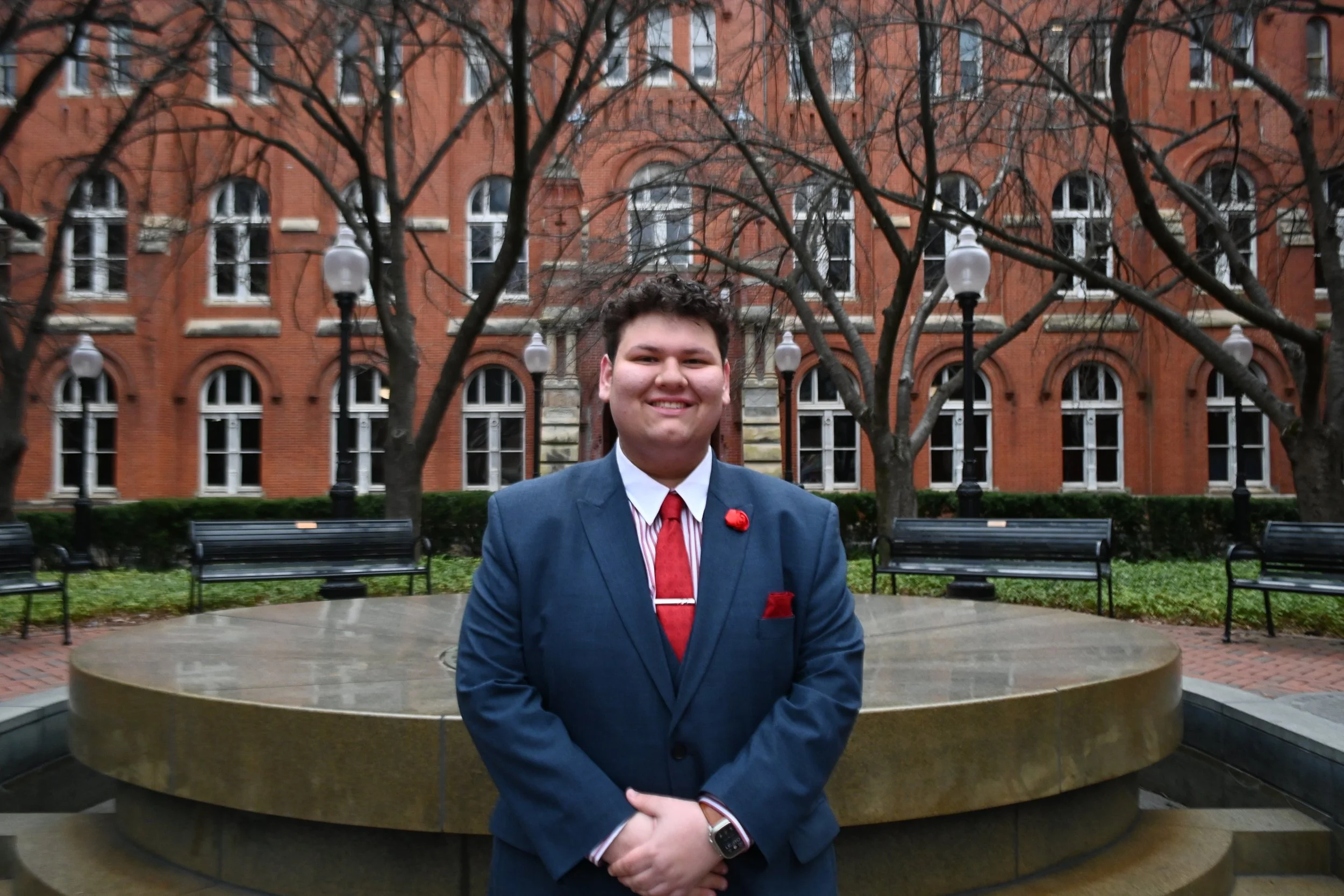
About the Crisis manager
Sven Stumbauer is a member of the class of 2029 in Georgetown’s Walsh School of Foreign Service, majoring in Regional and Comparative Studies with the intent to specialize in Latin America and Asia. Originally from Atlanta but having spent most of his life in Miami, Sven has been involved in MUN since his freshman year of high school when he helped create his school’s team and competed for four years. He has also staffed both NCSC and NAIMUN while continuing to compete as a delegate for GUMUN on the circuit. Outside of MUN, Sven is on the Officer Corps of Georgetown’s Philodemic Society, which hosts weekly debates. Additionally, he serves as a lector through campus ministry, an activity that he has done for almost 10 years. In his spare time, Sven enjoys listening to hip hop, building model kits and Legos, playing video games, painting, and cooking.