
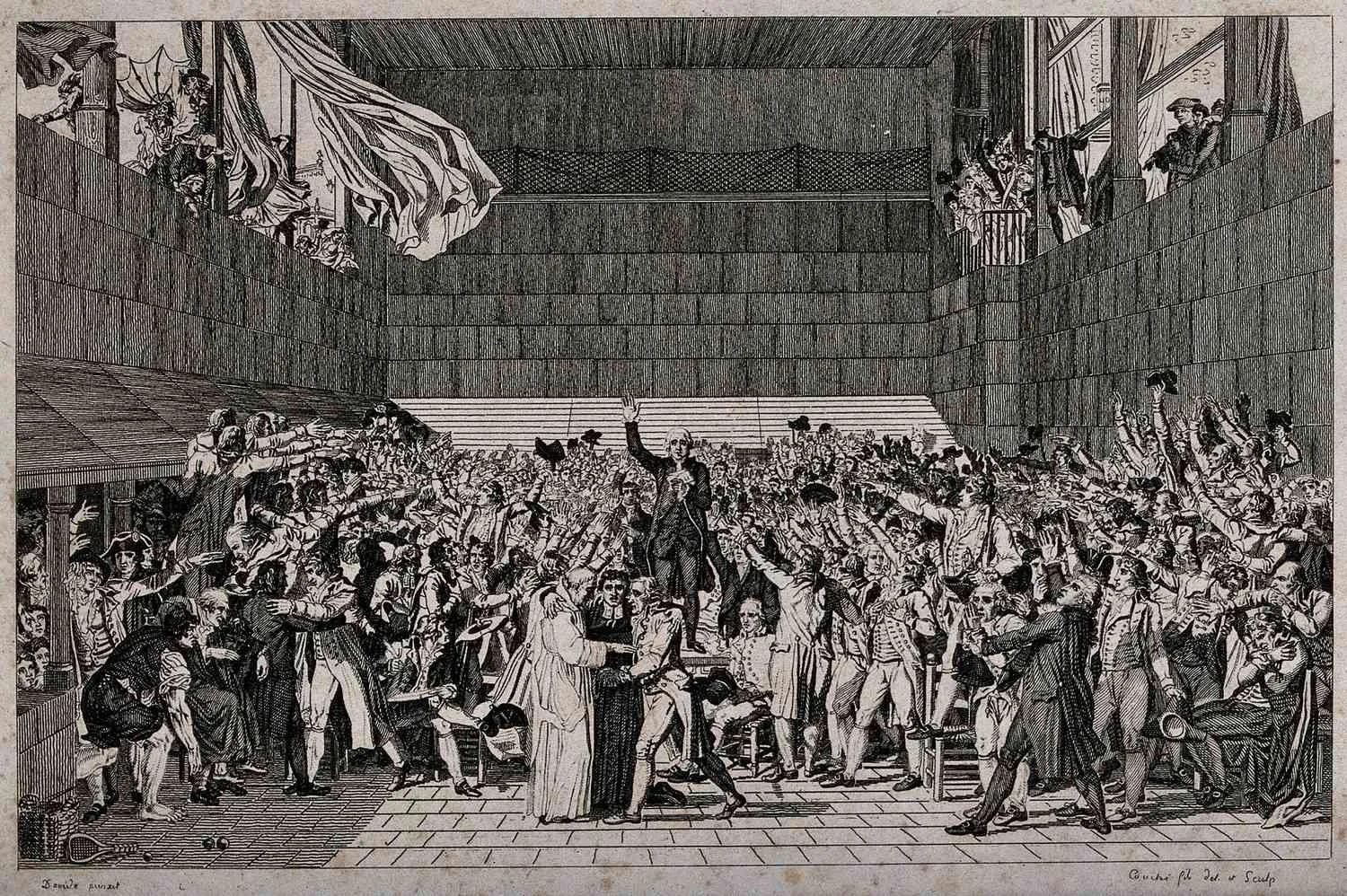
La Majorité Oubliée: The French Third Estate, 1789
APPROXIMATE COMMITTEE SIZE: 30 delegates
By 1789, war debt, economic mismanagement, and widespread food shortages had pushed France into crisis. With pressure mounting from all sides, Louis XVI convened the Estates-General, an institution dormant for over 170 years, hoping it could chart a path forward. But the gathering quickly revealed deeper tensions. The Third Estate, representing nearly 97 percent of the French population, was granted equal power to the clergy and nobility, respectively, in the electorate. Before the body can address France's mounting crises, delegates must first reckon with the political divisions threatening to unravel it from within.
Delegates must navigate economic collapse and rising public unrest while operating within the constraints of royal authority. Committees may attempt to pass directives aimed at stabilizing France through measures such as food relief, new investments, diplomatic agreements, or other reforms, but they are ultimately at the mercy of His Majesty Louis XVI, King of France and Navarre.
CRISIS MANAGER: liam austin
CHAIR: Alex Rieger
ISSUES TO CONSIDER
Issue 1: Taxation and Economic Reform: The financial crisis has brought France to ruin, driven by war debt, and especially an outdated taxation system that disproportionately drags down members of the third estate. Reforming taxation without revolution will require balancing the interests of the other two estates, who have historically been exempt from many of the taxes. Other revenue sources, such as investing in the factory technology now popping up in Britain, may be necessary if a compromise cannot be reached.
Issue 2: The Authority of the Monarchy: Since the time of Charlemagne, France has been ruled by a monarchy and nobility. This continuity has faced recent pushback with the ideals of the Enlightenment challenging the legitimacy of absolute rule. This committee must decide what the role of the monarchy should be in the future, either by attempting to reform the Estates-General or revolting against the monarchy. However, counterrevolutionary thought is prevalent throughout and could hamper efforts for actual change.
Issue 3: Food Shortages and Urban Unrest: Urban centers, especially Paris, have become increasingly prone to riots and demonstrations among many different groups as living conditions worsen. The 3rd estate sees how the upper class lives have not changed at all in light of the economic strain, and increased taxation, fueling resentment and a growing sense of injustice. Additionally, poor harvests have led to bread harvests skyrocketing, leaving many families unable to afford basic necessities, contributing to the outrage.
Issue 4: The Format of the Estates-General: Delegates must decide whether they continue to work within the Estates-General, pass legislation to amend it, or revolt against it entirely. Delegates won’t be able to leave the system until early Saturday, if they choose that path, so the decision is difficult. Choosing to break away comes with significant risk, as the King’s royal guard has increased their monitoring of “revolutionary figures,” meaning a breakaway would have to be very well planned and executed. However, gradual change under the Estates-General may feel rewarding, but it also preserves a system many view as fundamentally unequal.
About the Crisis manager
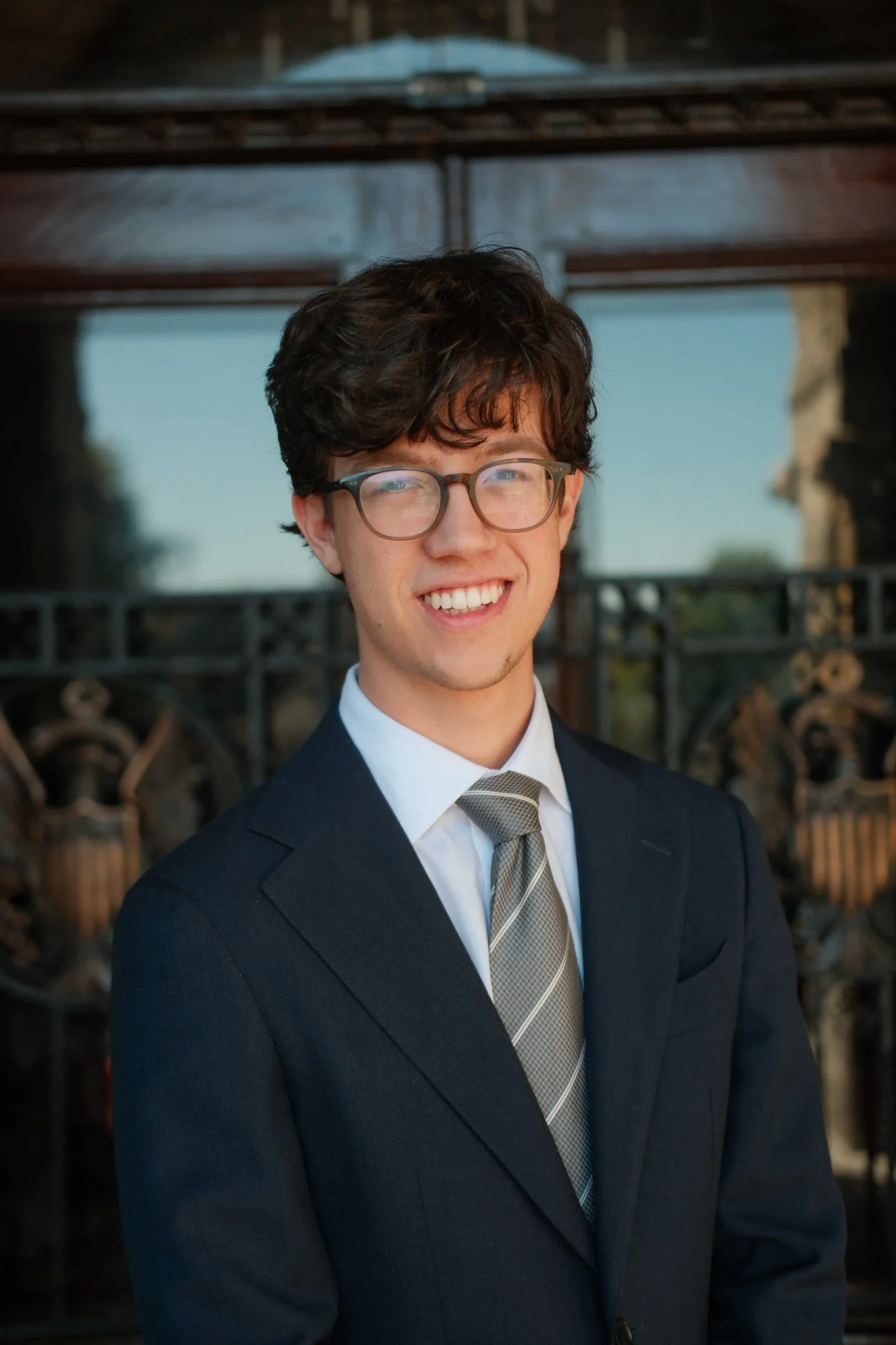
Liam Austin is a member of the Class of 2027 in the Walsh School of Foreign Service, majoring in International Politics concentrating in International Law. He is also pursuing an honors certificate in International Business Diplomacy. Liam has served in various capacities at past conferences, including CA, CM, and USG. On campus, he is also the director of clients for Hilltop Consultants and a commissioner on the Student Activities Board. Outside of the classroom, Liam enjoys fishing, travel, and hiking. He’s looking forward to culminating his college Model UN experience by CMing this committee.
About the chair

Alex Rieger is a member of Georgetown’s School of Foreign Service Class of 2027, and he is majoring in International Politics with a certificate in Eurasian, Russian, and Eastern European studies, and minoring in Russian. He is from Pahrump, Nevada, a small town outside of Las Vegas, but often just says he’s from Vegas. He has loved being able to staff both NAIMUN and NCSC (Georgetown’s collegiate MUN conference) the past three years, and also has the joy of being on the board of Georgetown’s competitive MUN team. He also enjoys going on nighttime DC adventures, playing board games, streaming the same episodes of his favorite sitcoms on repeat (The Office, Modern Family, etc.), and spending way too much on food. NAIMUN is one of the most fun events of the year, and Alex cannot wait to see how the Third Estate can prevail in these turbulent times and (hopefully) thrive!