
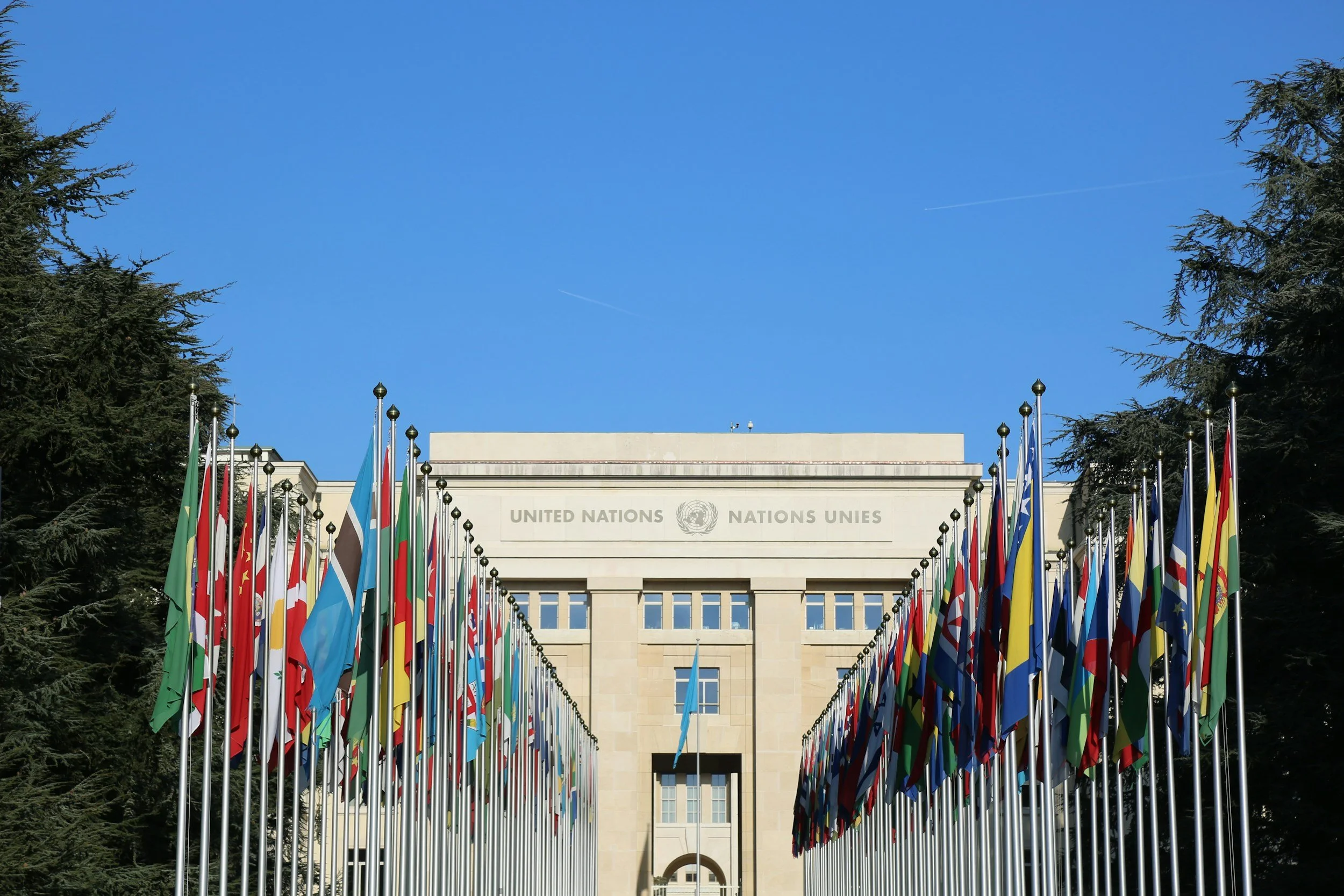
Conference of the Parties (COP) 31
APPROXIMATE COMMITTEE SIZE: 140 single delegations
The Conference of the Parties (COP), entering its 31st session in 2026, is the main decision-making body of the UN climate treaties, responsible for organizing climate action and reviewing environmental frameworks through intergovernmental cooperation. Topic A will tackle the environmental concerns of the growing fast-fashion industry. Delegates will explore ways to reduce the industry’s environmental impact while preserving its economic output. Topic B will re-examine the status and implementation of specific climate-based Sustainable Development Goals (7, 11, 12, 13, 14, 15), four years ahead of the 2030 target. Delegates must critically assess the effectiveness of these goals, determine whether they have had a substantial environmental impact, and devise solutions to promote sustainable cooperation and multilateralism amid an increasingly insular world.
cHAIRs: Manvi Tripathi & Amrik Chakravarty
TOPICS
Topic A: Combatting the Environmental Impact of Fast Fashion and Textile Waste
Topic B: Reevaluating the Status of the Climate Sustainable Development Goals (SDGs)
About the Chairs
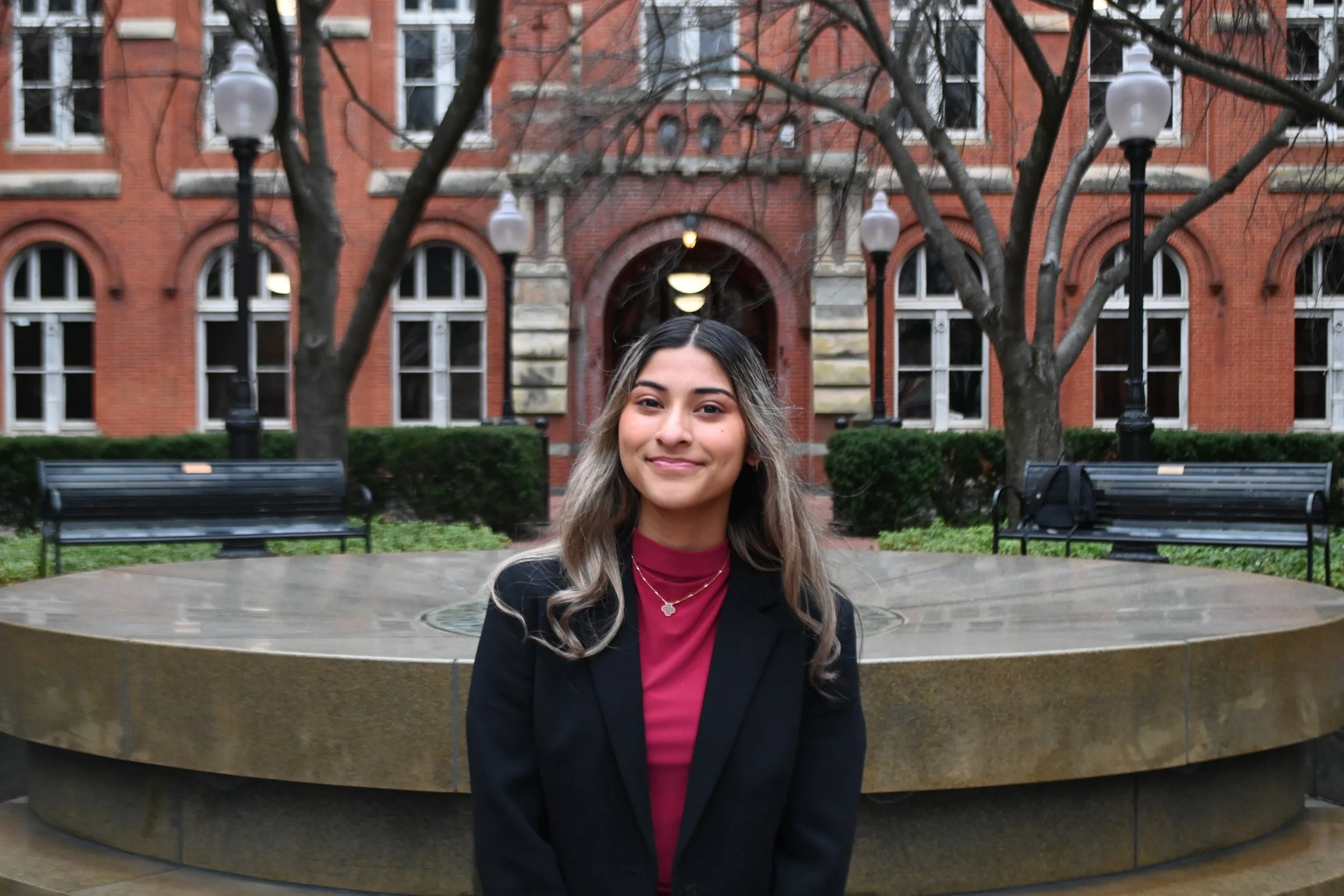
Manvi Tripathi is a member of Georgetown University’s College of Arts and Sciences, class of 2028, majoring in Justice and Peace Studies and Government, with minors in Global Development and Technology, Ethics, and Society. She is originally from Pennington, New Jersey (yes, Central Jersey exists!) and grew up playing soccer, building Legos, and pursuing her passion for the law through various programs in high school. Her love for MUN started in high school, where she competed as a SPEC delegate and continues her passion for MUN as a leadership member of Georgetown’s Model United Nations team. She has staffed NCSC, Georgetown’s collegiate MUN conference, and NAIMUN as the Chair of the OAS Football War committee. Outside of MUN, Manvi is heavily involved in diabetes advocacy as a member of the Young Adult Advocacy Council. She is also a proud member of the Blue and Gray Tour Guide Society, the Georgetown University Space Initiative, and the Georgetown Admissions Ambassadors Program! She is super excited to be your Chair and see you all in the Spring!
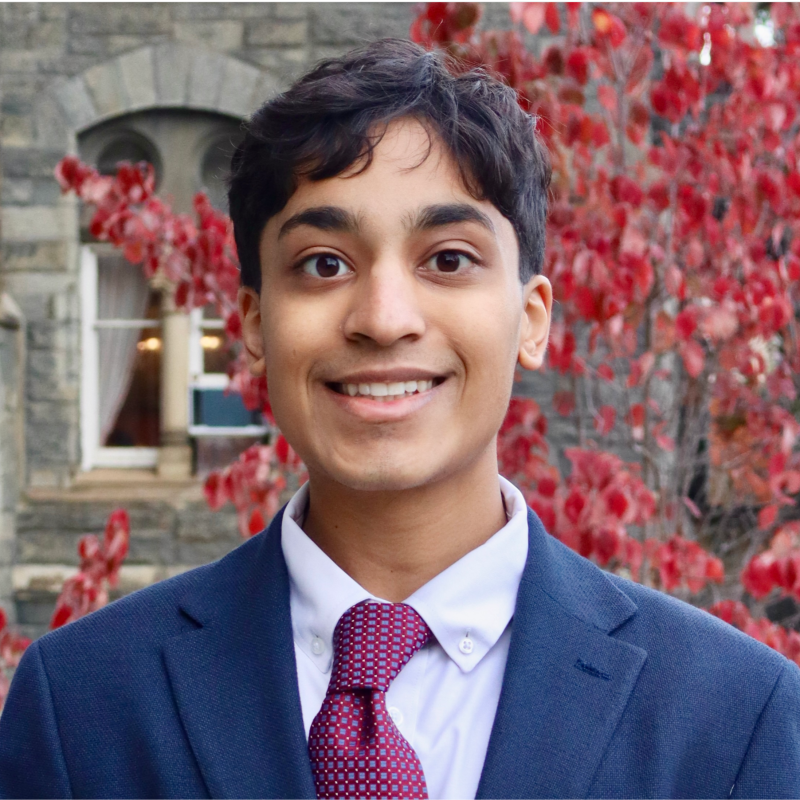
Amrik Chakravarty (‘29) is a student in Georgetown’s College of Arts and Sciences majoring in Economics and Government. He grew up in Memphis, Tennessee where he spent his days reading, fencing, and competed in mock trial. On campus, he’s involved with Georgetown Ventures, Kappa Alpha Pi, and the Thomas Cooke Business Law Society. He loves playing chess, walking around Georgetown, and dancing in Rangila! He’s been to countless MUN conferences as both a delegate and a chair. Last year, he staffed NAIMUN in the OAS Football War Committee, and he’s very excited to be back this year! He can’t wait for another great NAIMUN!
Committee Speaker
Dr. Mark Giordano
Professor of Geography and Cinco Hermanos Chair in Energy and Environment
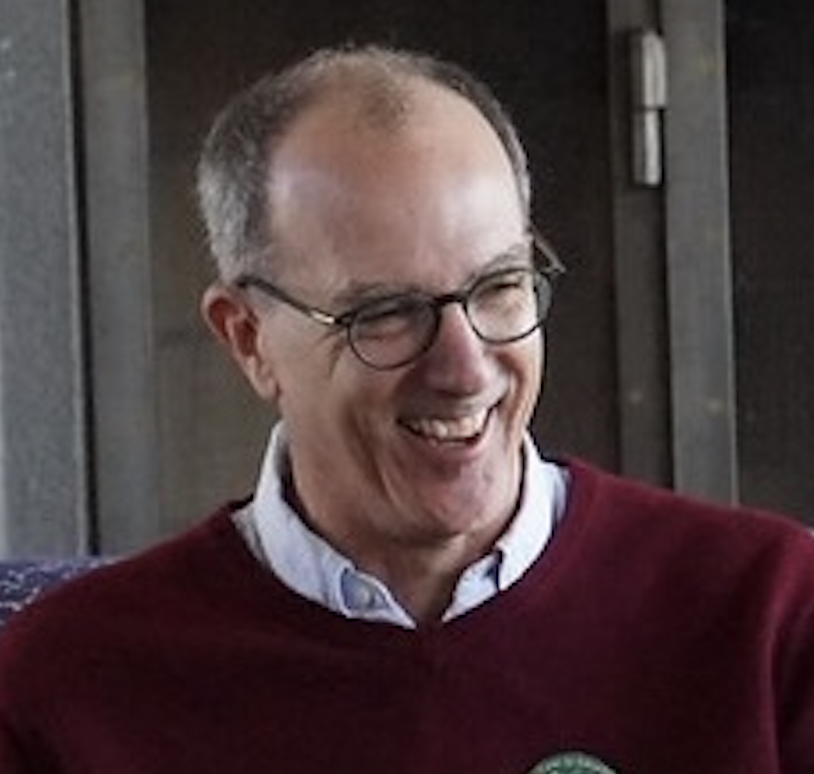
Mark Giordano is Professor of Geography and the Cinco Hermanos Chair in Energy and Environment at Georgetown University’s Walsh School of Foreign Service, where he teaches courses on international political dimensions of water and agriculture, the renowned Maps of the Modern World, and many others. Mark is one of the world’s most cited water scholars and has provided training to hundreds of diplomats trained on food and water security. Beyond the university, he serves as an adviser to organizations ranging from the World Bank to the National Museum of Asian Art and sits on a variety of boards including those of the Washington Map Society, the Kentler International Drawing Space, and the Mokuhanga Drawing Space as well as the Board of Trustees of his alma mater, Whitman College. Prior to Georgetown, Mark held multiple roles at the Sri Lanka-based International Water Management Institute, winner of the Stockholm Water Prize–the “Nobel Prize for Water,” and worked as an agricultural trade economist for the U.S. government. He spent most of his professional life prior to Georgetown in Asia and Sub-Saharan Africa. In the spring, he can be found on the Potomac River fishing for shad, a fish whose reintroduction demonstrates that environmental problems can be solved.