
JCC: Bolsheviks and Breadlines: The Tsar’s Entourage
APPROXIMATE COMMITTEE SIZE: 30 delegates
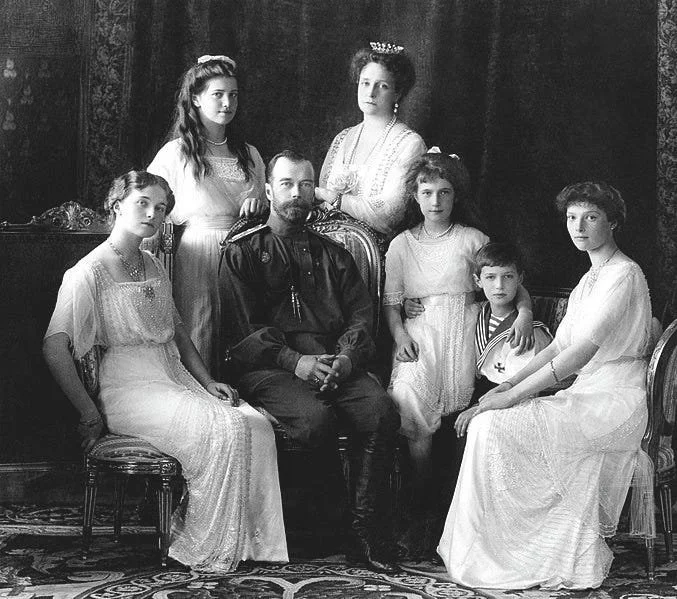
The deposition of the Tsar proved particularly difficult for members of his Okrujenie (or “Entourage”), a close circle of family, military aides, and advisers with deep ties to the existing order. Divisions have emerged between those determined to preserve the monarchy through military force and those who were increasingly skeptical of Tsar Nicholas II’s leadership. Having regrouped after escaping the protests in Petrograd, these elites must determine how to preserve their influence in a rapidly changing political landscape, weighing the merits of defending the monarchy against the realities of compromise, reform, or collaboration with emerging political movements. The committee must debate how to preserve what little power the aristocracy has left while navigating the pressures of a collapsing regime and a war increasingly tilting toward defeat.
Chair: Maya Belorusskiy CRISIS MANAGER: Ava manaker
ISSUES TO CONSIDER
Issue 1: Governmental Structure: Both sides of the JCC will be locked in a power struggle for who maintains power in the new order dawning in Russia–will the nobles and elites can retain dominance or will the Proletariat masses take over the state and establish a new system relegating those elites to positions of equality with the common man? In the wake of the blank slate created by the February Revolution, delegates must design the new governmental systems in Russia.
Issue 2: Economic Crisis: Russia’s economy was already in crisis after WWI and the collapse of centralized authority has only exacerbated these problems. Inflation is soaring, industrial production has fallen, and widespread unemployment and labor unrest destabilized urban centers. Delegates must address these problems if they want any institutional change to endure.
Issue 3: Food Shortage: Harsh weather, a decline in planted acreage, and the breakdown of transportation networks have combined in a perfect storm, leading to acute shortages and long bread lines. As one of the agitators behind the February Revolution, how will Russia’s next government solve the food crisis and the instability it caused?
About the Chair and Crisis Manager
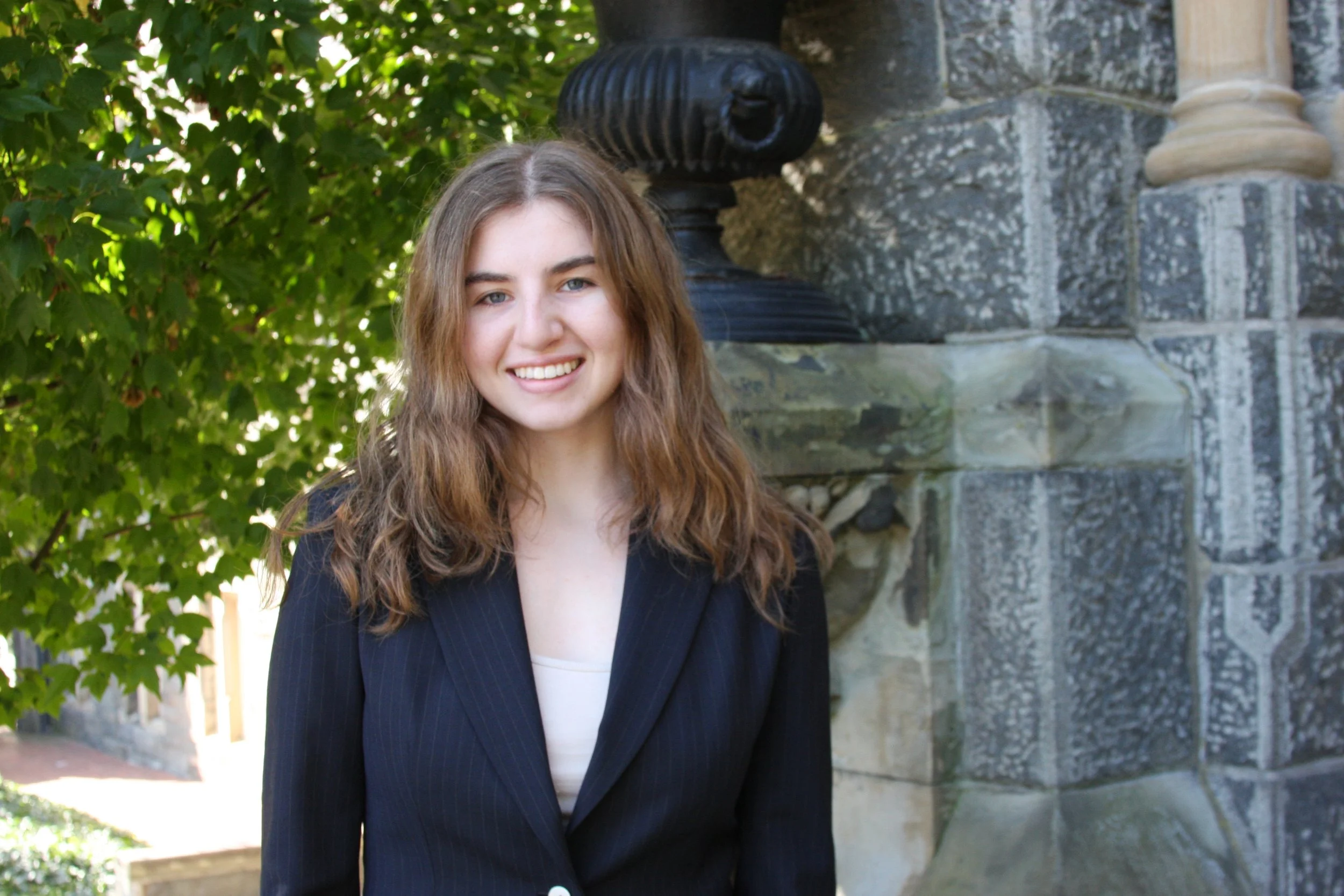
Maya Belorusskiy is pursuing a dual degree in Business and Global Affairs with a minor in Economics and is a member of the class of 2028. She is originally from Buffalo Grove, Illinois (yay Cubs!) and is entering her seventh year of MUN. Maya began her NAIMUN journey as a NSA crisis analyst, served as the Director of Philanthropy for NCSC LIII, and most recently had a blast overseeing Carthage’s (historically accurate) victory over Rome in the Second Punic War as a Chair at NAIMUN LXIII. Outside of Model UN, she serves on the board of the Carroll Round Undergraduate International Economics Research Conference, is a member of the Hilltop Microfinance Initiative, and teaches a political geography course to high schoolers through the National Education Opportunity Network. Outside of Georgetown, Maya loves to explore local art scenes anywhere, keep up with the latest tech trends, and explore the extents of house music on her runs.

Ava Manaker is a member of Georgetown's School of Foreign Service class of 2028, where she’s studying Regional and Comparative Studies, focusing on Russia-Eurasia and minoring in Russian. She is from the Philadelphia suburbs (proud New Jersey hater) and grew up doing ballet, reading, and pursuing her love for international relations in debate. Ava found Model UN by staffing NCSC LII (almost as great as NCSC LIII!), where she loved impersonating a Russian separatist Finnish elf. She was formerly the USG of Cabinets for NCSC, Director of Registration for DistrictMUN, and CM at NAIMUN LXIII. Outside of MUN, Ava dances in Rangila, a South Asian dance showcase, acts as a member of the Philodemic Society, and an occasional boxing enjoyer. Off campus, Ava can be found running along Embassy Row, doing ballet, reading (preferably pretentious Russian novels), and baking.