
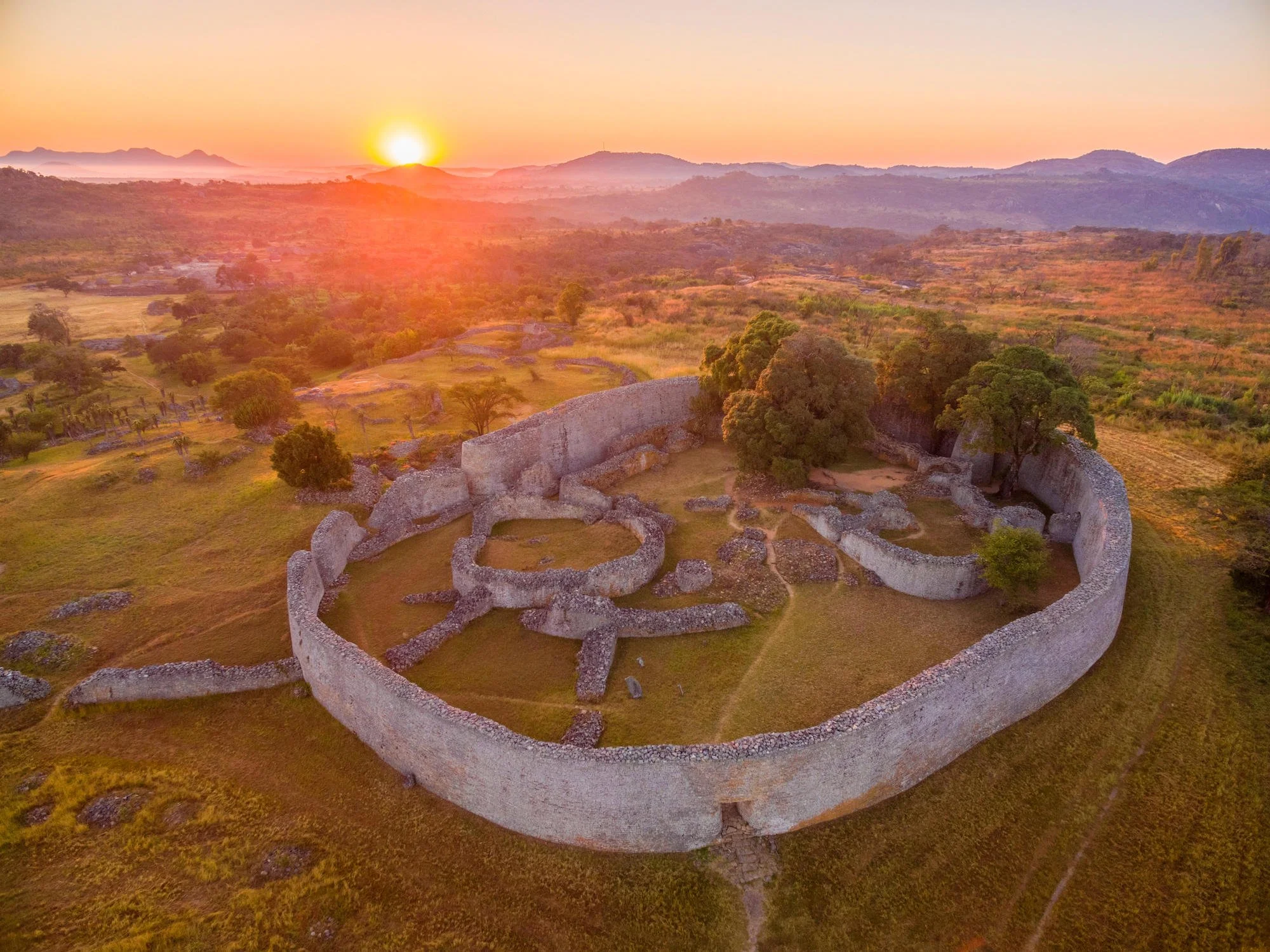
Trade, Trade-Offs, and Traitors: The Royal Court of Great Zimbabwe, 1442
APPROXIMATE COMMITTEE SIZE: 30 delegates
Great Zimbabwe, the capital of the Kingdom of Zimbabwe, was a major center of government and trade in pre-colonial Southern Africa. Trade facilitated by the city’s elites links the African interior to China, Persia, the Arabian Peninsula, and the Swahili Coast through the exchange of commodities like gold, ivory, and cattle. Its complex political system supports a large, stratified society, though it is rife with internal rivalries among elites and chiefs that often lead to instability and infighting. However, Great Zimbabwe’s dominance is now threatened as control of regional trade shifts toward other powers, particularly the Swahili city-state of Kilwa. As caravan leaders defect and allied chiefs shift loyalties, Great Zimbabwe faces an escalating crisis: the collapse of its trade supremacy and the competition of Kilwa as a newly dominant force on the Swahili Coast.
CHAIR: Sofie lucas
CRISIS MANAGER: Kiera Lozada
ISSUES TO CONSIDER
Issue 1: Control of Regional Trade Networks: Control over the trade networks in and out of Great Zimbabwe was closely tied to political authority, intensifying competition among elites for possession of the most lucrative routes and increasing structured economic inequality. In what ways is it possible to shift the balance of power with these limitations?
Issue 2: Migration and Splits from the Kingdom: As the city’s trade dominance declines, regional leaders increasingly choose to break away, redirecting their loyalty and business elsewhere. These migrations have drained the Kingdom of Zimbabwe of labor and wealth while also wrecking political cohesion and fueling the rise of rival political and commercial centers. How can unity be restored or adopted in the new political climate?
Issue 3: Environmental Change and Resource Pressures: Great Zimbabwe faced both natural and human-induced resource pressures that hastened it towards its eventual decline. With the onset of the Little Ice Age, environmental pressures, including increased climate variability, periodic droughts, and a general cooling of temperatures by roughly 1°C, which strained agricultural productivity and water availability. The human element only exacerbated this problem, as overgrazing and deforestation contributed to soil degradation and reduced the land’s long-term agricultural capacity.

About the Chair
Sofie Lucas is a student in the Class of 2029 in the College of Arts and Sciences at Georgetown University. She is double majoring in Neurobiology and Government on the pre-med track. Sofie is from Saratoga Springs, NY.
This is Sofie’s first year with NAIMUN. While she has never worked with NAIMUN before, she loves all things government and international relations and enjoys working with people who share her interests. Sofie is super excited to be chairing a committee for Historical Crisis this year!
Outside of NAIMUN, Sofie does theatre with both Mask and Bauble Dramatic Society and Nomadic Theatre on campus. She is also the Performance Coordinator for Georgetown Ballet Theatre and Secretary for The Anthem Literary Magazine. Over the summer, Sofie will earn her EMT certification as well. In her (little) spare time, Sofie enjoys reading, writing and dancing.
Sofie is thrilled to be joining the NAIMUN LXIII team this year and can’t wait to work with the delegates and her fellow staff members!
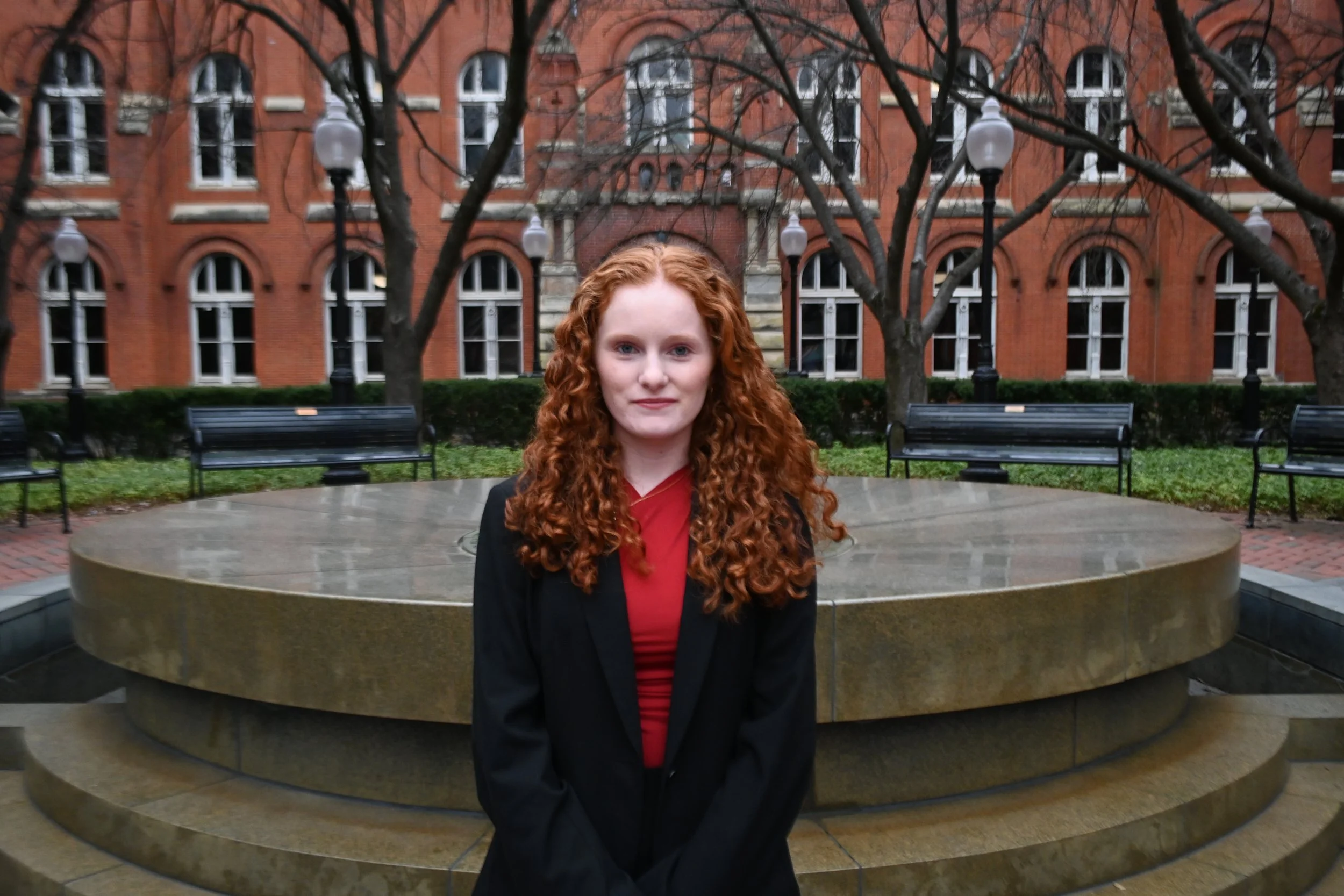
About the Crisis manager
Keira Lozada is a loyal member of Georgetown’s Walsh School of Foreign Service Class of 2029, majoring in International Politics and minoring in Latin American Studies. Hailing from Norfolk, Virginia, she was previously involved in Model UN at her high school. While she no longer competes, she has continued her dedication to MUN with Georgetown’s many conferences, including as Director of Delegate Affairs for NCSC LIV and a crisis analyst for DistrictMUN. Outside of committee, Keira engages with the College Democrats and Georgetown Students for Prison Justice. Whenever she is not curled up in a corner of Lauinger Library, she is scouring the DC area for Cuban bakeries or looking for an excuse to go to Raising Cane’s. She simply cannot wait to see her favorite band, 5 Seconds of Summer, in August – or to meet all of you in February as a Crisis Manager for NAIMUN LXIV!