
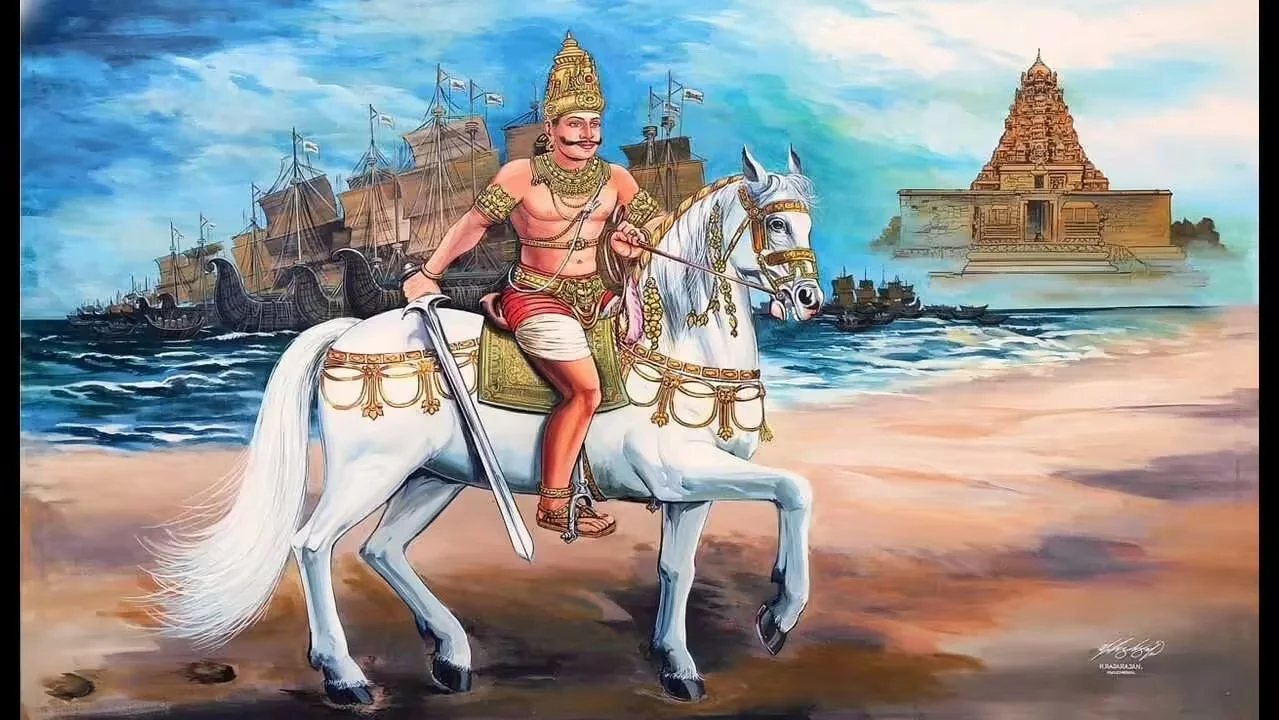
The Tiger Across The Strait: The Eastern Expedition Of Rajendra Chola,1025 CW
APPROXIMATE COMMITTEE SIZE: 30 delegates
In 1025 CE, the Chola Empire stood at the height of its terrestrial glory. Rajendra Chola I, having inherited one of South India's most formidable imperial legacies, had extended Chola prestige across the peninsula and beyond — but the horizon was shifting. Across the Bay of Bengal lay Srivijaya: a wealthy maritime mandala controlling the ports, straits, and commercial arteries that bound India to Southeast Asia and Song China. The Indian Ocean was emerging as a dominant maritime hub, generating massive wealth for those who controlled it, and Srivijaya sat at the center of this network, extracting wealth from every merchant who passed through its waters. With maritime dominance increasingly defining power in the region, the Cholas turned their ambitions seaward, toward Srivijaya and the wealth it commanded.
Chair: Taylor glynn CRISIS MANAGER: max bell
ISSUES TO CONSIDER
Issue 1: Trade and Military control: Control over the Indian Ocean indicates success in future trade opportunities and potential expansion. Delegates must discuss how to gain and maintain control over the emerging ocean, as well as how to protect themselves against attacks. Additionally, delegates must examine the role of merchant rights, commercial patronage, and identification of potential new trade routes in relation to escalating conflict around them.
Issue 2: Role of Southeast Asian alliances: Trade and diplomatic alliances influence the strategic priorities of the Cholas, influencing the prospects of wealth and information intelligence. However, the prospect of conflict breaks alliances and limits information shared. How can delegates maintain and cultivate alliances throughout the region?
Issue 3: Building and maintaining a cultural identity: Trade collaboration blends the ideology, religion, and tradition of individuals across the region. To what extent can the region build a distinct cultural identity despite the increasing conflict and expanding pluralism?
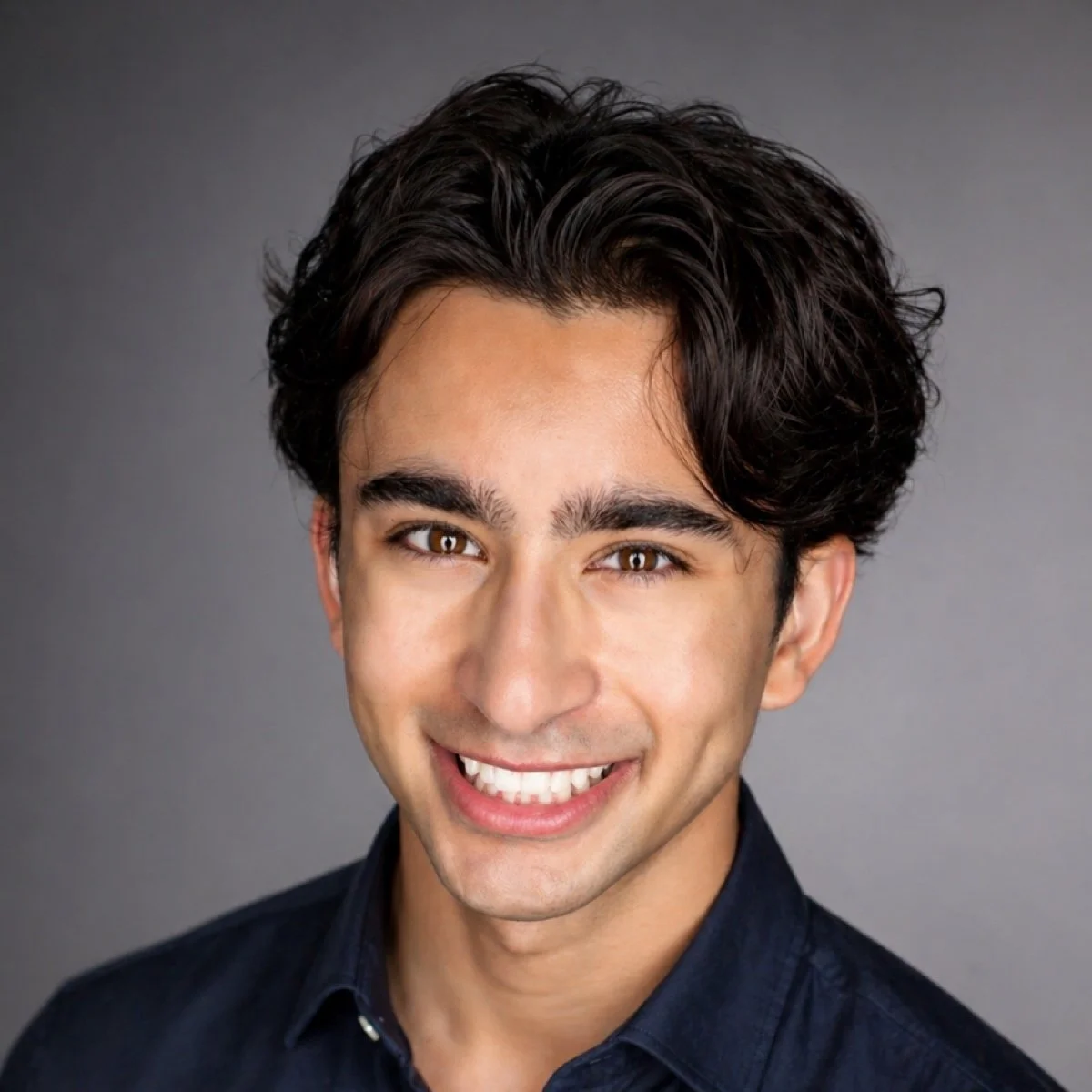
About the Crisis manager
Max Bell (2029) is in the Walsh School of Foreign Service, studying International Politics with a concentration in Foreign Policy and a certificate in Diplomatic Studies! He is from Gaithersburg, MD, so he’s pretty local to the DC area. Max has been a Model UN fanatic since middle school and has already competed and staffed several conferences with Georgetown’s MUN team and GIRA. In addition, Max is the Vice President of the GU Philoso-Tea Society, the only (and best!) undergraduate Philosophy and Tea club on the Georgetown campus! He loves to travel, discover new places in DC, and try new foods. Max is elated to be the CM for the Tiger Across the Strait Committee, and he can’t wait to see all of the arcs, notes, and fun that delegates will bring to this committee.
Hoya Saxa!
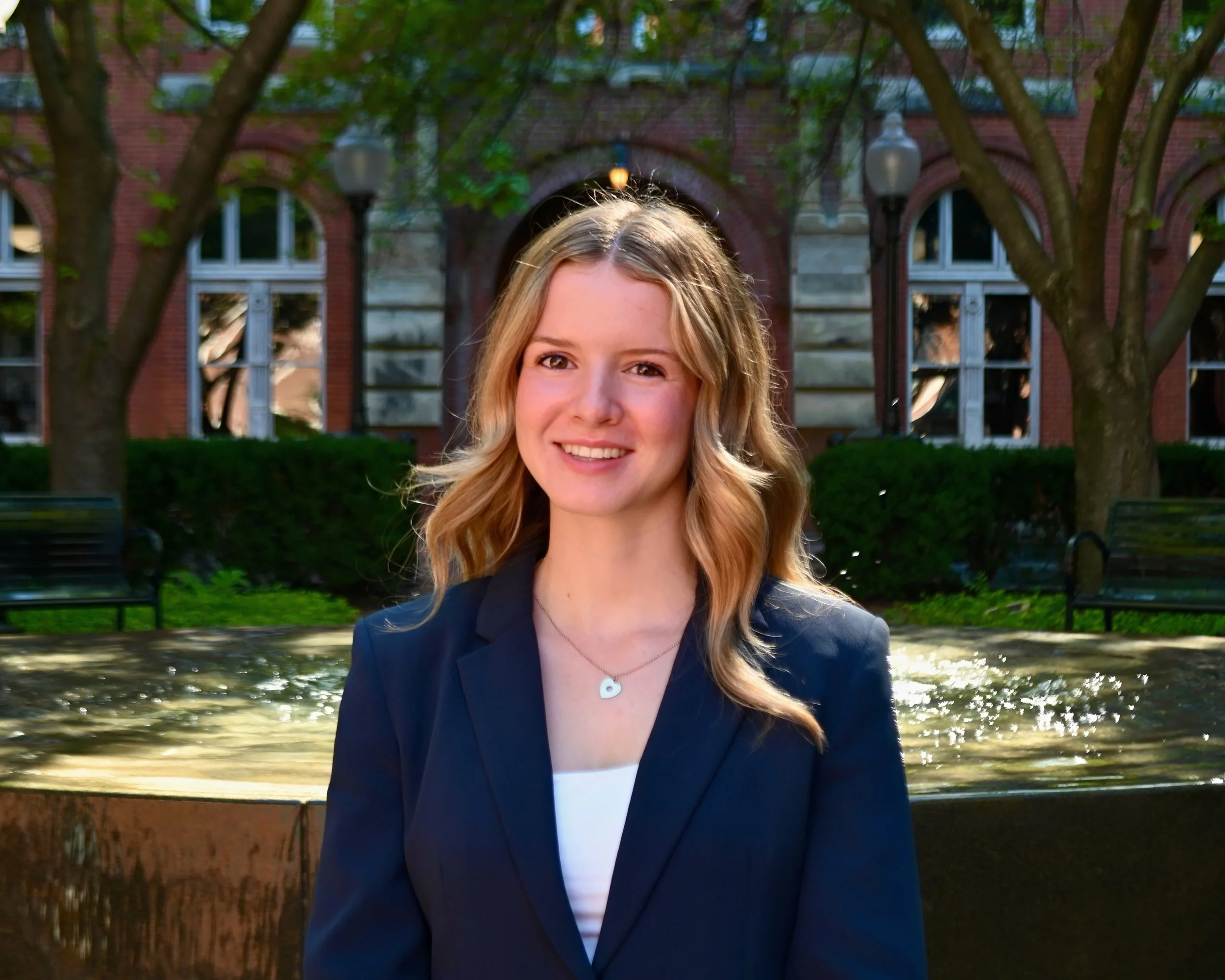
Taylor Glynn (Class of ‘29) is a member of the School of Foreign Service at Georgetown, studying Global Business with a minor in Spanish. She is from Hoboken, NJ, and like most New Jerseyans, she tells anyone who will listen that it is the best state of them all. Taylor has been involved with Model UN since middle school, and is very excited to staff NAIMUN for her second year! She previously served as a Rapporteur within UNESCO during NAIMUN LXIII. In her free time, she enjoys trying new coffee shops around DC, playing tennis, progressing through her Letterboxd watchlist, and spending time with friends and family. Taylor is thrilled to serve as your Chair for the Tiger Across the Strait Committee and looks forward to helping create an engaging and memorable conference experience for all delegates. See you in February!