
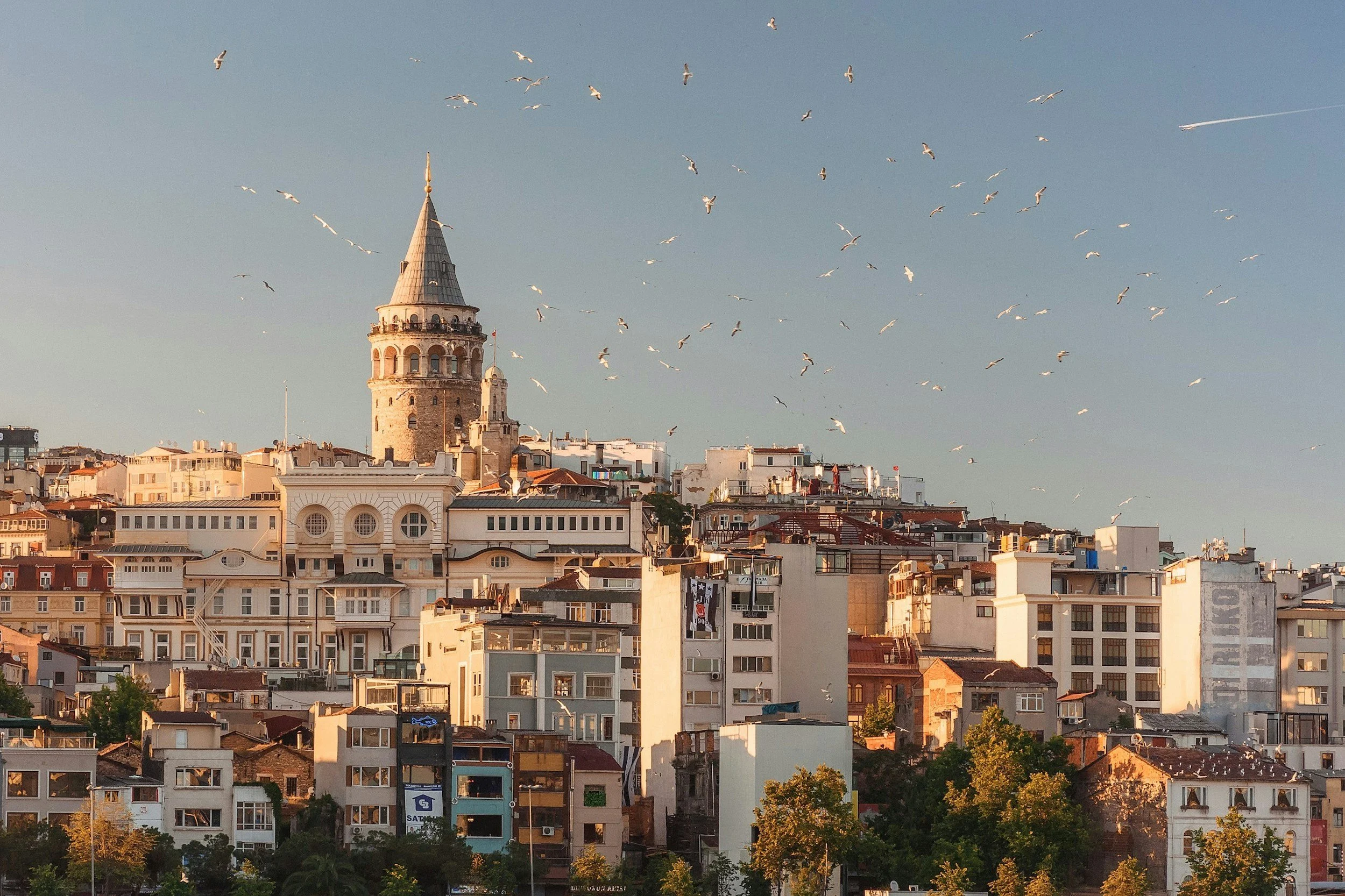
Erdo-gone?: Turkish Coup Attempt, 2016
Approximate Committee Size: 30 delegates
On July 15, 2016, military jets screamed over Ankara, tanks rolled onto the Bosphorus Bridge in Istanbul, and soldiers seized the state broadcaster TRT, forcing an anchor at gunpoint to read a statement declaring that the Turkish Armed Forces had taken control of the government. Within minutes, it became clear that a faction of the military had launched a coordinated coup attempt against the democratically elected government of President Recep Tayyip Erdoğan. The Erdoğan government would later attribute the plot to FETÖ — a network of followers loyal to US-based cleric Fethullah Gülen that had spent years embedding itself across Turkish state institutions. Bridges were blocked, the Parliament building was bombed in what remains a disputed account, and loyalist and coup-aligned military units clashed in the streets of Turkey's two largest cities.
Yet the coup was neither clean nor swift. Erdoğan, vacationing in Marmaris, escaped capture by a narrow margin and reached Istanbul's Atatürk Airport in the early hours of July 16. Broadcast via FaceTime on CNN Türk, he called on Turkish citizens to take to the streets in defense of democracy, which they did in extraordinary numbers. By morning, the coup had collapsed. However, in the hours between its beginning and its failure, Turkey's government was fractured, its chain of command uncertain, and the loyalties of varying officials across the country deeply unclear.
This committee convenes an emergency session of a reconstructed Turkish cabinet on the night of July 15 as the coup unfolds in real time. Delegates will represent a broad cross-section of Turkish political and institutional life, from AKP ministers and Erdoğan loyalists to secular nationalist voices, military advisors of uncertain allegiance, and figures skeptical of the government's growing authoritarianism. Not every delegate will agree on what is happening; some will prioritize the restoration of democratic order, while others will see an opportunity to reshape Turkey’s political trajectory. All of them must act under conditions of extreme uncertainty, with the fate of the Turkish state hanging in the balance.
CHAIR: Cindy Lin Crisis Manager: William Pan
ISSUES TO CONSIDER
Issue 1: Establishing Authority: With coup-aligned and loyalist military units in open conflict and the President communicating via FaceTime, the question of who holds legitimate authority over Turkey’s armed forces is far from settled. How should the emergency cabinet coordinate a response, assert control over military and police units, and communicate a coherent chain of command to a country watching events unfold live on television?
Issue 2: Civil Liberties: Even as the coup collapses, the government begins moving toward sweeping emergency measures, including mass arrests, suspension of judicial protections, and broad purges across sectors. Delegates must debate how far these measures should extend. Where is the line between legitimate security responses and the exploitation of a crisis to consolidate authoritarian power?
Issue 3: The Gülan Question: The Erdoğan government moves quickly to blame Fethullah Gülen and demand his extradition from the United States. This claim is greeted with skepticism at best in the US, with critics citing a lack of evidence. Delegates must wrestle with the politics of attribution: how certain are they of Gülen’s culpability, what evidence exists, and how should Turkey navigate the diplomatic fallout of a demand the US is unlikely to honor? Who benefits from a particular narrative of the coup, and does that narrative hold up to scrutiny?
About the Chair
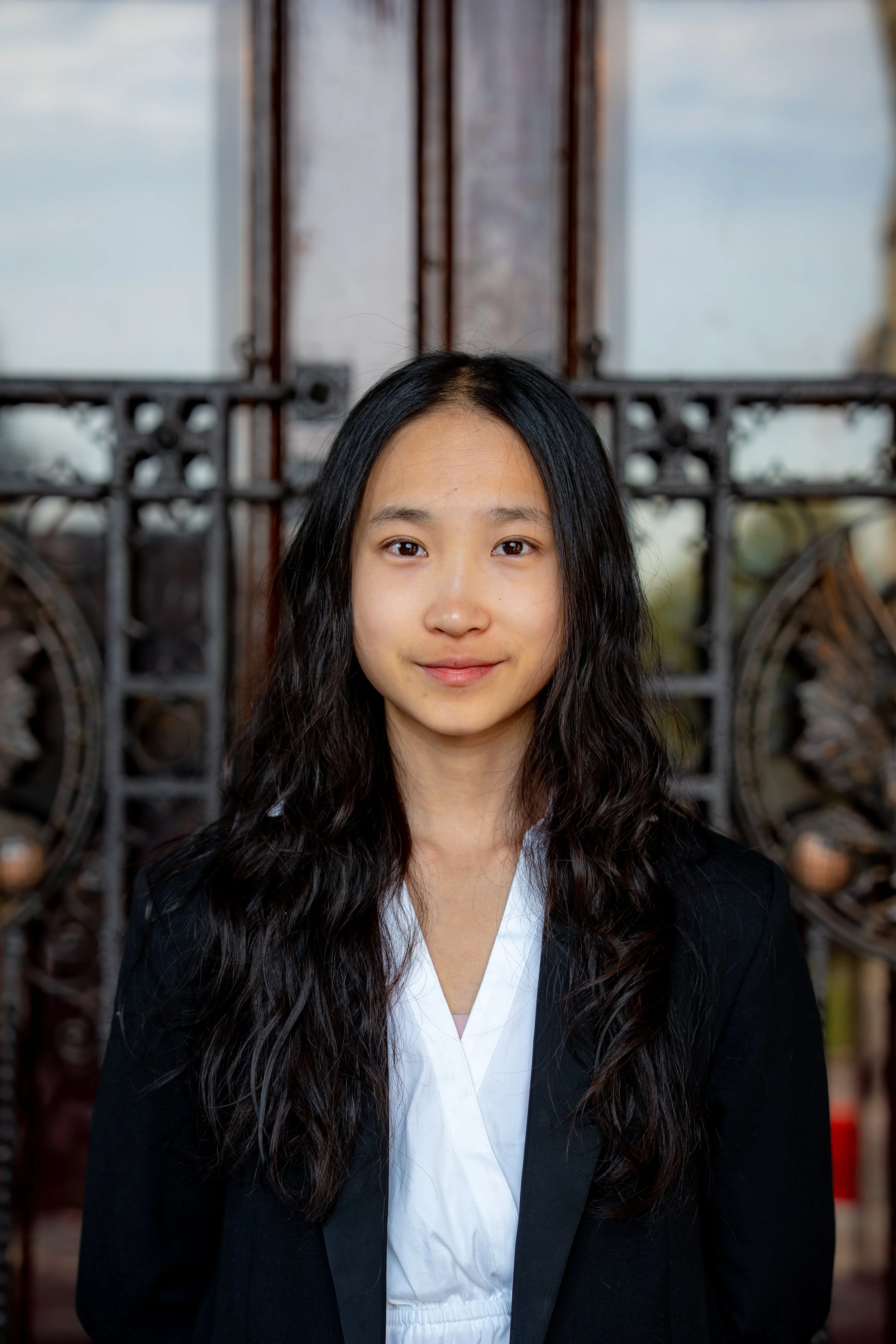
Cindy Lin is a member of the class of 2029 in the McDonough School of Business. Born in China and raised in Southern California, she attended high school in Connecticut (and missed the sunshine very much while there), culminating in the multicultural identity she’s come to embrace. Cindy participated in Model UN training and conferences throughout high school, and her favorite organ was ECOSOC. Although she no longer competes at the collegiate level, she served as a Crisis Analyst for Battling Brothers: The Inca Succession at NAIMUN LXIII last year. Before then, she’d also staffed many crisis committees at her high school’s MUN conferences. On campus, Cindy is also involved in Georgetown Collegiate Investors, Georgetown Quant Club, and Hoya Taxa. In her free time, she enjoys reading fictional novels, writing short stories, and playing the piano. She also loves exploring DC’s museums and restaurants, and she can’t wait to welcome NAIMUN LXIV delegates to this amazing city that she now calls home!
About the Crisis Manager
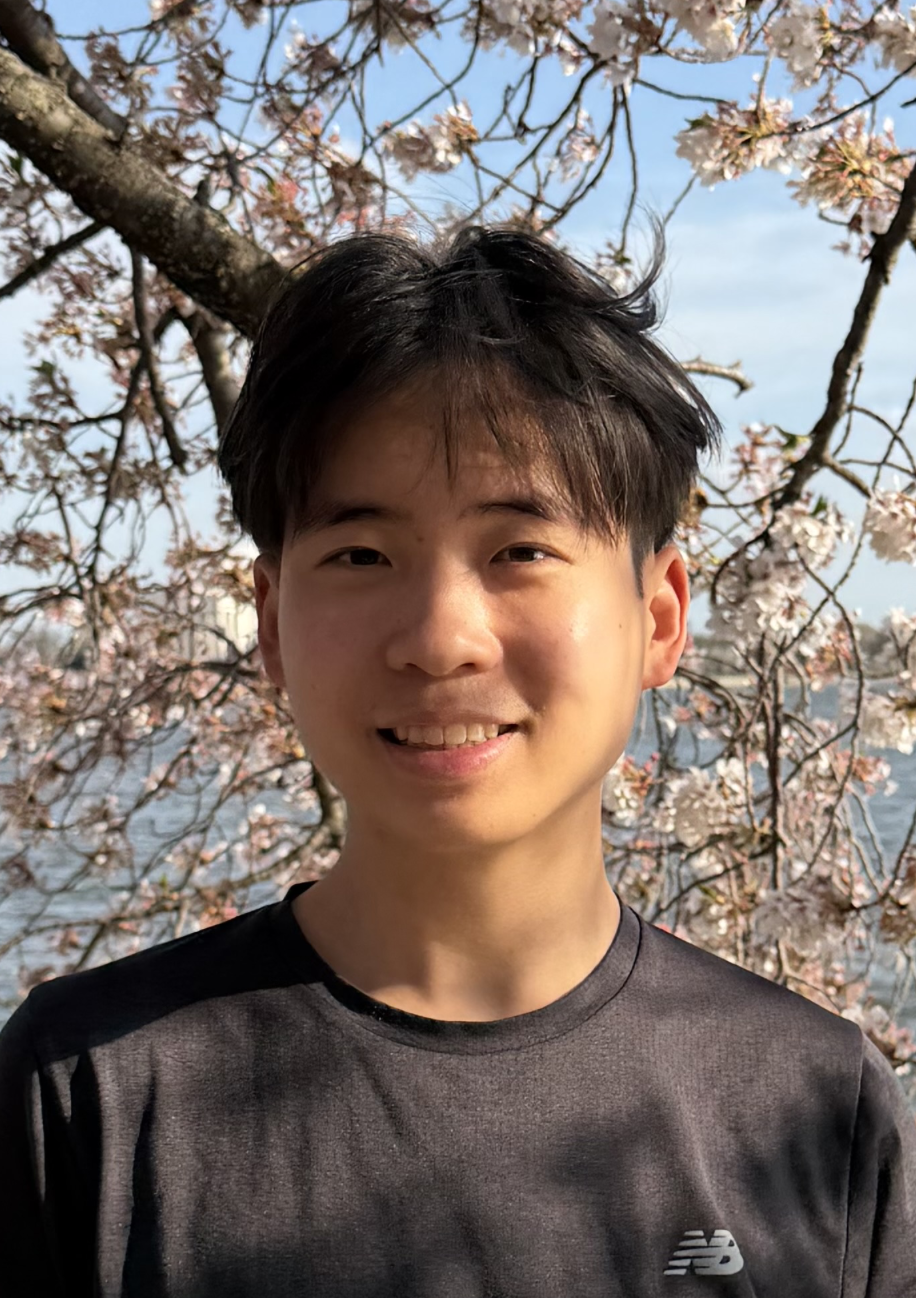
William Pan is a member of the class of 2029 studying Government and Economics. He is from Los Angeles, California and enjoys walking his husky along its idyllic palm-tree-lined streets.
He joined GUMUN, Georgetown’s Collegiate Model UN Team, in freshman year and prioritizes having fun. An avid crisis delegate, he is creative, valuing outside-the-box thinking and embracing spontaneity. Always taking selfies and vlogging, he is committed to exploration. No new restaurant is safe from William’s grasp.
Outside of MUN, William can be found contemplating the weekly Cryptic Crossword, losing in Chess, grilling hot-dogs for Georgetown’s Grilling Society, or listening to Lana Del Rey (he’s a top 0.05% listener!). He can also be spotted reading reviews on Yelp to find the best MalaTang spot in Dupont Circle.
He is excited to welcome NAIMUN delegates to DC! If you have any questions or want food recommendations, feel free to reach out!