Trouble in Paradise: The Galápagos Crisis, 1998
approximate committee size: 30 delegates
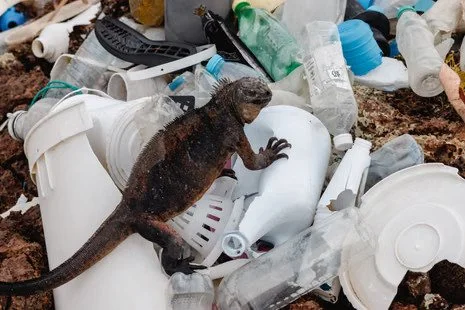
For millions of years, the Galápagos evolved in near-total isolation, developing incredible biodiversity and serving as the inspiration for Darwin's theory of natural selection. By the late twentieth century, however, the islands faced mounting threats from human interference: surging immigration and tourism, industrial fishing, and institutional weakness. In 1998, the Special Law of the Galápagos was passed, aiming to balance conservation and human development as the islands buckled under ecological and demographic pressure. The law established the Galápagos Marine Reserve, banning commercial fishing within forty nautical miles of the archipelago's shores, restricted mainland migration to the islands, and expanded the mandate of the Galápagos National Park. On paper, it balanced the needs of environmentalists and islanders alike. In practice, it satisfied neither.
Local fishermen were cut off from the sea cucumber and lobster harvests that were their livelihoods, while corruption spread through park officials willing to look the other way for the right price. Foreign fishing fleets, most notably from China, began exploiting the very waters the law had meant to protect. Instead of preventing illegal activity, it inadvertently created new pathways for exploitation and corruption.
This committee convenes in the immediate aftermath of the law’s passage, dropping delegates into a web of competing actors, interests, and institutions. The Ecuadorian government was well-intentioned in its efforts to protect the Galápagos, but failed to fully account for the economic realities facing the islands’ residents. Delegates will be tasked with confronting those oversights, reconciling the needs of local communities with the demands of conservation, and developing measures to protect the Galápagos from foreign nations keen to exploit its waters.
CRISIS MANAGER: Tadhg Beale Chair: brooke lenahan
Issues to Consider
Issue 1: Enforcement, Corruption, and Institutional Trust: The Galápagos Marine Reserve exists on paper, but bribery and selective enforcement have rendered it porous in practice. Delegates must confront how a regulatory framework can be made credible when the institutions tasked with enforcing it have been compromised, and how trust between local communities and government agencies can be rebuilt without further inflaming economic grievances. How can meaningful enforcement be restored without further alienating the communities whose cooperation conservation ultimately depends upon?
Issue 2: Economic Survival and the Limits of Conservation: The fishermen who raid research facilities and circumvent fishing bans are responding rationally to economic desperation. Delegates must grapple with whether any conservation framework that ignores livelihoods can truly be sustainable, and what alternative economic models might offer a genuine path forward. Considering the urgency of both the ecological and human crises at hand, how should the committee balance immediate economic relief against the long-term preservation of the Galápagos’ irreplaceable environment?
Issue 3: Foreign Exploitation and National Sovereignty: With illegal fishing vessels encroaching on Ecuadorian waters and foreign hotel conglomerates eyeing the islands’ land, Ecuador faces pressure to either assert its sovereignty forcefully or accept foreign investment in exchange for resource access. Delegates must determine how they can protect the Galápagos from external exploitation, and whether any partnership with foreign governments or corporations can be structured without ceding meaningful control. Where is the line between pragmatic cooperation and ecological surrender?
About the Crisis Manager
Tadhg Beale is a student in the College of Arts and Science in the Class of 2029 majoring in American Studies and Government. He is from South Jersey (the only good part of Jersey) and spends his free time reading, rooting for Philly sports teams, and playing Stardew Valley. Tadhg also spends his time volunteering in Georgetown’s After School Kids Program and working at the Student Centers on campus. He is thrilled to be the Crisis Manager of the Galápagos Crisis and can’t wait to see how delegates handle the committee!