
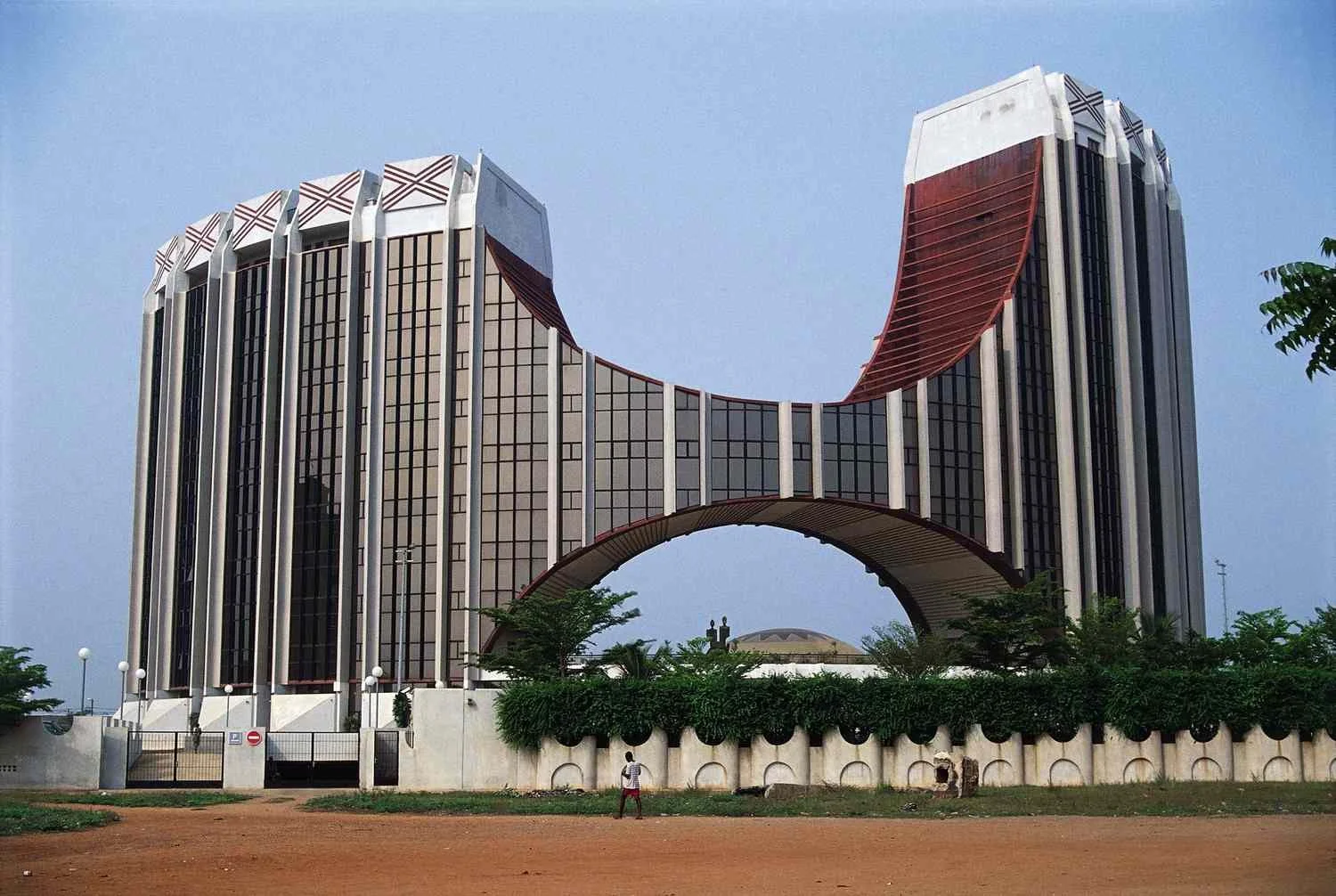
ECOWAShed: Alliance of Sahel States, 2023
Approximate Committee Size: 30 delegates
Since the early 2000s, the Sahel region has been subject to numerous armed insurgencies from militia groups, leading to chronic political instability across West Africa. Starting in 2020, a series of coups swept through the region, deposing the elected, pro-Western heads of state in Mali, Burkina Faso, and Niger — forming a geographic chain of military juntas that came to be known as the Coup Belt. Many of these new military leaders espoused pan-African, anti-Western sentiment, and in response, the Economic Community of West African States (ECOWAS) suspended the memberships of all three countries and threatened military action.
The various coup leaders answered by offering mutual military aid to one another, and on September 16, 2023, the Alliance of Sahel States was officially formed. The confederation subsequently withdrew from ECOWAS, breaking from Western influence, and in July 2024, formally integrated into a political and economic union.
This committee takes place immediately after the initial suspension of membership from ECOWAS in August 2023, and will primarily address the formation of the confederation government and its founding terms. Delegates will confront questions of sovereignty and the lingering legacies of colonialism, navigate the military threat posed by ECOWAS, and grapple with the complexities of forging a cooperative political union between three nations with distinct histories, needs, and ambitions.
CHAIR: Rougiatou Bah
Crisis Manager: Christopher Pishvaian
ISSUES TO CONSIDER
Issue 1: Formation of the Confederation Government: The question of a new confederation government stands at the forefront of this committee’s concerns. How will representatives of the three member countries develop a system of government, determine power-sharing between the states, economic partnerships and trade deals, and the amount of state sovereignty that should be kept during this process? How do specific interests influence this process?
Issue 2: Economic Independence: In addressing current affairs, delegates will have to choose whether or not to try and reintegrate with ECOWAS, or continue to distance the AES from the bloc, and if the latter option is chosen, delegates will have to find ways to reach out to alternative trade partners while simultaneously developing their domestic industries. Considering the interests and risks involved in each option, what is the best approach, and how should this be decided?
Issue 3: Security Threats: Each nation in the AES is dealing with armed insurgencies from rebel militias that pose a threat to the stability of the already-precarious confederation. Externally, Western powers are keen on keeping their troops and businesses in Western Africa. How will the alliance balance bolstering state control over their own individual country borders while asserting their military independence from other nations? How does this fit into attaining economic independence?
About the Crisis Manager
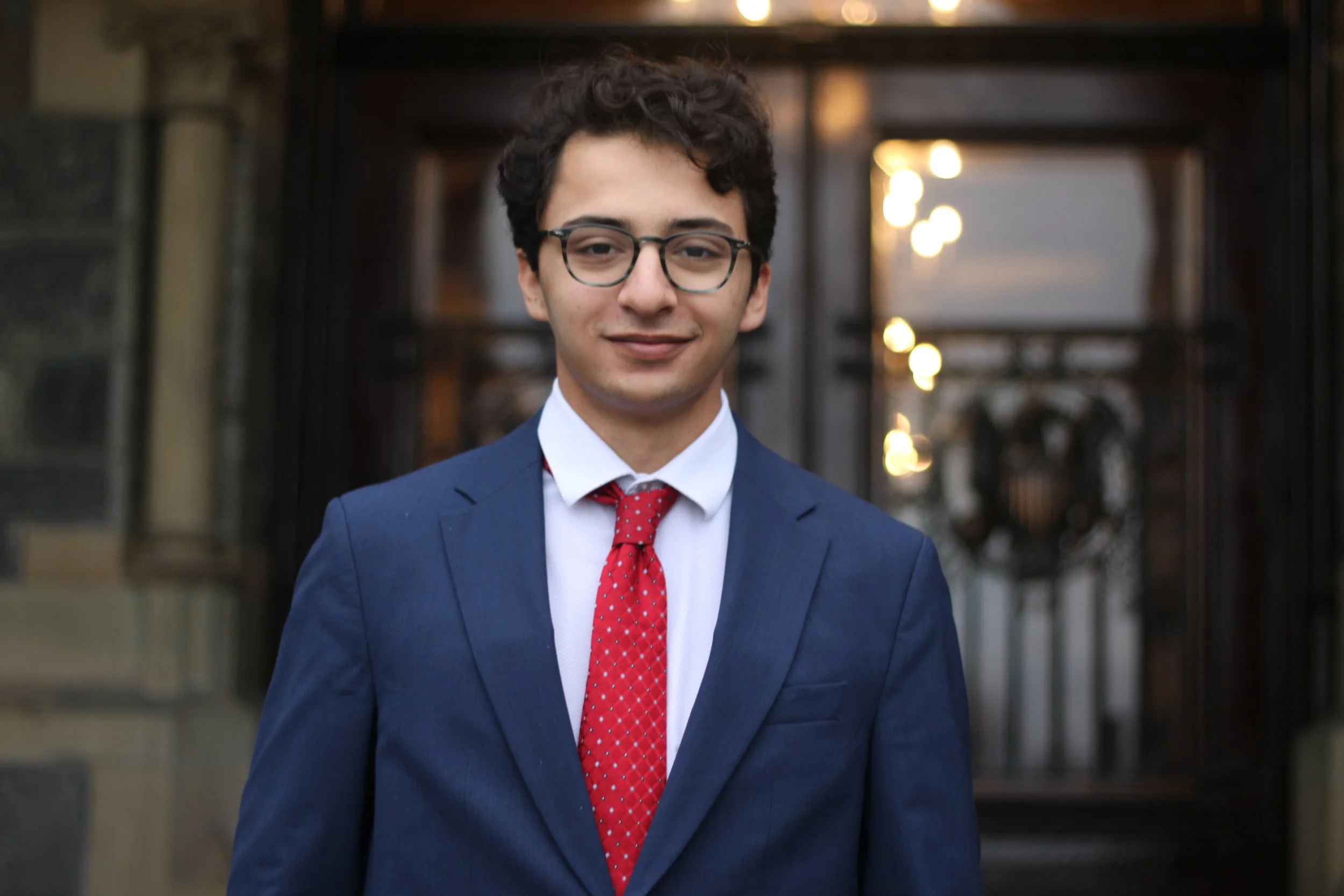
Chris Pishvaian is a member of the Class of 2028 in the College of Arts and Sciences, currently majoring in Biology of Global Health with a minor in Science, Technology, and International Affairs. Coming from the nearby suburb of Potomac, Maryland, Chris competed at NAIMUN as a delegate where he found his love for Model UN and made some incredible memories. On campus, he is the Co-Director of Crisis Training for the Georgetown competitive Model UN team and the Co-Director of Events for the Georgetown Minority Association of Pre-Health Students. When he’s not cooking up a crisis arc or studying for his next chemistry exam, you can find him watching the NFL (Go Saints!), obsessively keeping track of geopolitical trends, and catching up on the latest Star Wars shows. He is incredibly excited to run your backroom, and can’t wait to see what delegates come up with.
About the Chair
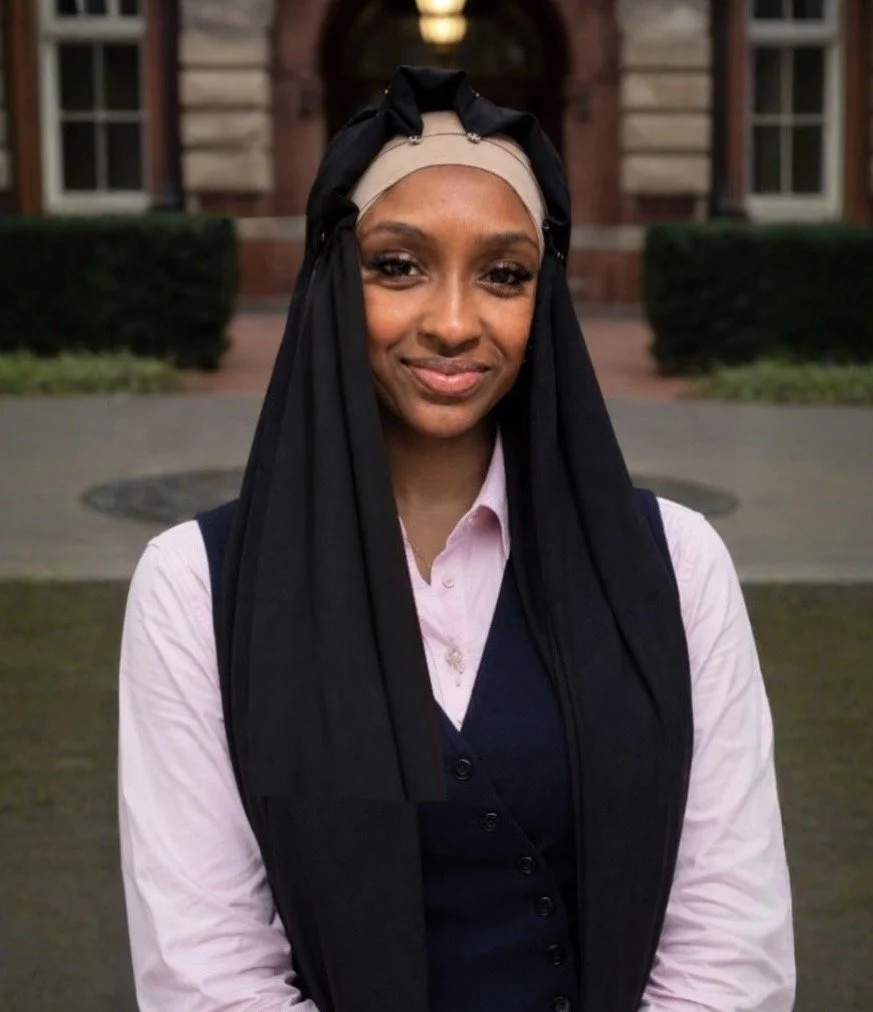
Rougiatou Bah is a member of the Class of 2029 at the McDonough School of Business, double majoring in Finance and International Political Economy & Culture with a minor in Marketing. A proud New Yorker through and through, she has been competing in Model UN since her freshman year of high school, where she discovered a deep passion for international affairs and built friendships that have followed her ever since. At Georgetown, she serves as Co-Director of Finance for the university's competitive traveling MUN team. Outside of committee rooms, she stays busy supporting international startup developments and conducting research for consulting pitches. When she finally gets a moment to herself, you can find her treating the campus kitchen like it's the Last Supper, hunting down the perfect interior design piece for her dorm, getting lost in her latest Kindle obsession, grinding through the daily NYT Connections, or rewatching reruns of The Pitt. As your chair, she is excited to see all the creative and bold ways delegates navigate the complexities of the Sahel, so bring your best!