
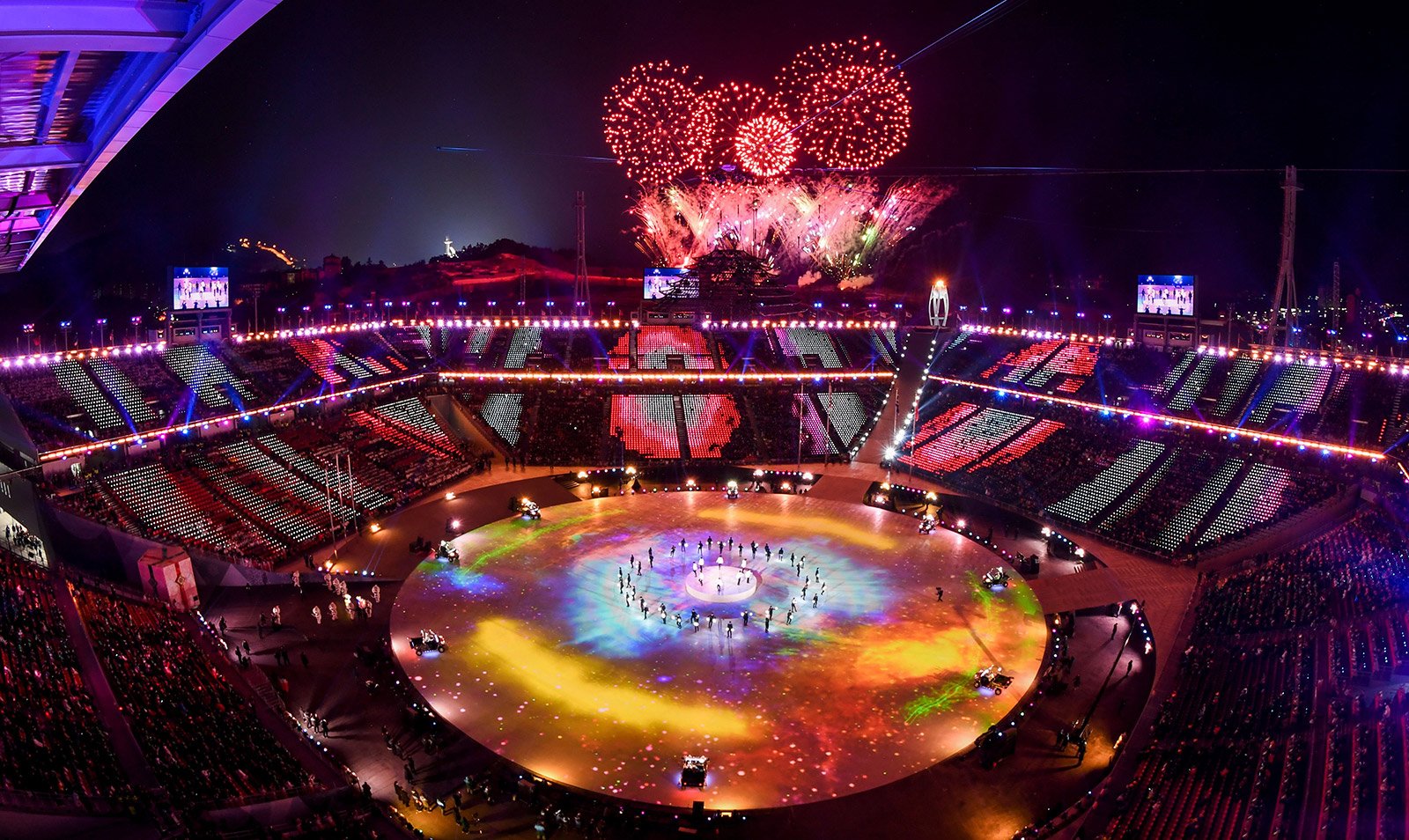
Nuclear Winter: The PyeongChang Olympics, 2018
Approximate Committee Size: 30 Delegates
The first Winter Olympic Games held in mainland East Asia, PyeongChang 2018, aimed to showcase South Korean excellence on a global stage. In the year leading up to the Games, however, tensions began to rise due to a series of missile and nuclear tests conducted by North Korea. The deteriorating security climate heightened fears of nuclear conflict and worsened relations between North Korea and several Western countries, including the United States, raising significant concerns over the safety of the Olympics, culminating in numerous states releasing statements calling their participation into question, and some threatening to withdraw entirely.
Moreover, in early 2018, Kim Jong Un proposed and began talks with South Korea about North Korea's participation in the Games, provoking public outcry among South Korean citizens. Some went so far as to refer to the event as the "Pyongyang Olympics," reflecting a widespread belief that North Korea sought to exploit the Games for political rehabilitation. In addition, the recently exposed state-sponsored Russian doping program presents another challenge, as no athlete will be permitted to compete under the Russian flag — potentially necessitating an independent designation or another solution to allow clean Russian athletes to participate.
It remains unclear whether or under what circumstances the Games will proceed. As members of the PyeongChang Organizing Commission, the International Olympic Committee, and representatives of the South Korean government, delegates will work through the obstacles in their path — and towards pulling off a successful Winter Olympics.
CHAIR: lucy jung
Crisis Manager: Joellaine Duku
ISSUES TO CONSIDER
Issue 1: Nuclear Tensions: North Korea is demonstrating nuclear capabilities, developing far faster than originally thought by Western nations. If it fires missiles, the entire world is at risk of annihilation–and even if not, the risk remains that another country will fire first. How will delegates use their proximity to North Korea to de-escalate tensions? How can delegates balance these tensions with the Olympic Games’ goals?
Issue 2: Public Opinion: South Korean citizens have been very outspoken about their opposition to talks with North Korea about potentially competing under the same flag. How will delegates consider public opinion in their solutions to North Korean tensions?
Issue 3: Success of the Games & Western Attendance: Western nations are threatening not to attend the Olympics. As the first Winter Olympics hosted in South Korea and one of the first in East Asia, how will delegates ensure the games are a success in advancing South Korean interests? How will delegates ensure that Western countries attend the game despite nuclear tensions, and without alienating the public?
About the Chair
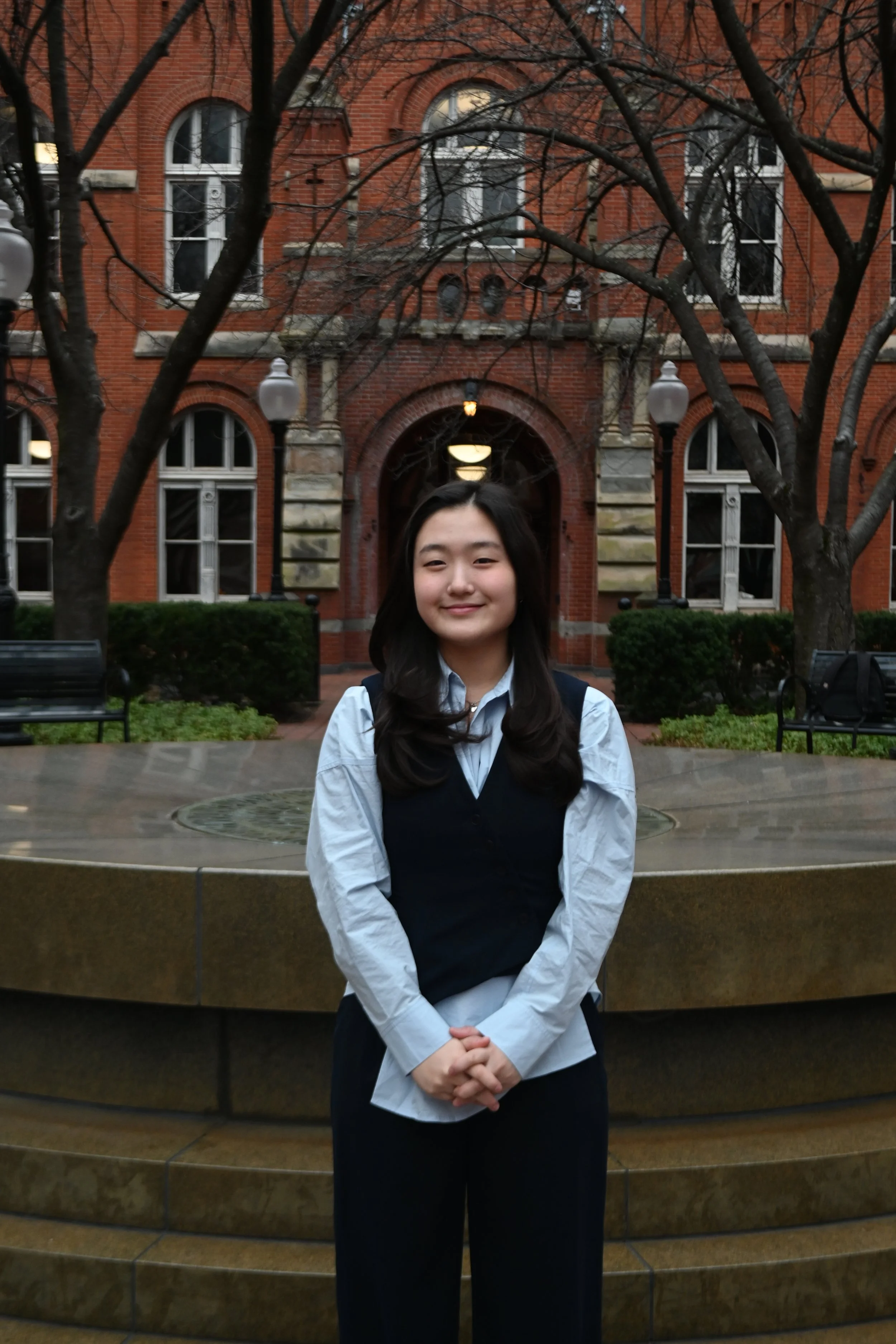
Lucy Jung is a member of the McDonough School of Business’ class of 2029. She built off her “debate-kid” experience as she competed under her high school’s Model United Nations chapter, and brought her undying passion for public speaking and diplomacy to Georgetown, where she staffed both NCSC LIII and NAIMUN LXIII, and currently serves NCSC LIV as its Director of Business Development. In addition to Model UN, Lucy also spends long Wednesday and Thursday nights in Leavey 421, feverishly working Adobe InDesign as The Hoya’s Senior Design Editor, involves herself in GU Entrepreneurship, and works as a Student Engagement Specialist at the Alumni House, fostering personal connections with GU graduates while working on her nails for the third time that week. Lucy is very excited to serve as your chair for the Nuclear Winter: The PyeongChang Olympics, 2018 committee and to welcome you to the Washington Hilton for NAIMUN LXIV!
About the Crisis Manager
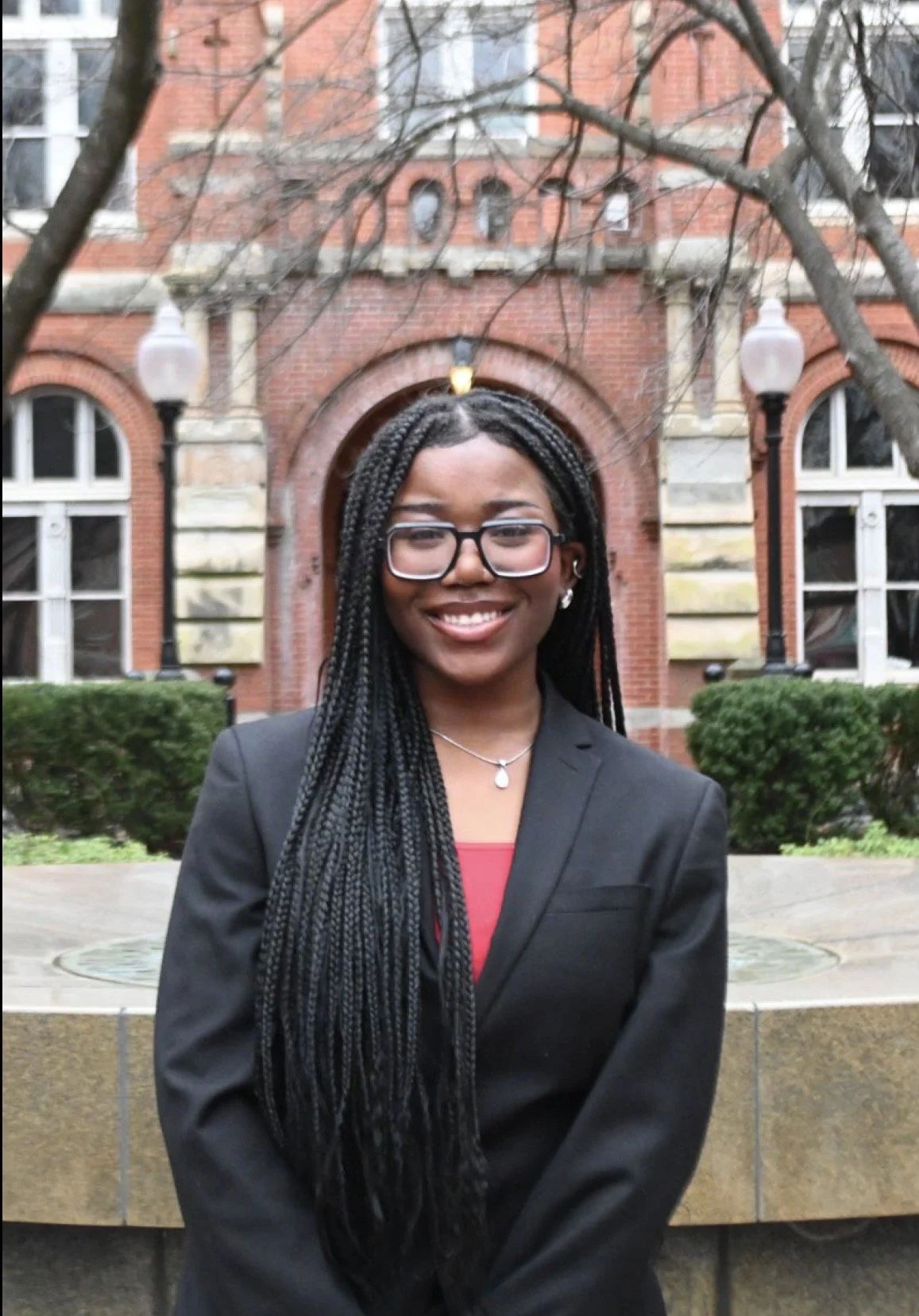
Hailing from Stafford, Virginia, Joellaine “Jojo” Duku is a member of the Walsh School of Foreign Service class of 2029. Competing in Model UN since her sophomore year in high school, she made it her priority to be involved in MUN the second she came to Georgetown: being a Crisis Analyst for NAIMUN LXIII, competing with team GUMUN, and being an executive of NCSC LIV, as their Director of Programming. Outside of the MUN-sphere, she’s a member of BRAVE’s Media Team, advocates in Hoyas for Immigrant Rights, and has lobbied with advocacy groups, all while working towards French fluency. She’s a huge JJBA fan, ask her about the star on the back of her shoulder! In her free time, you’ll find her drawing, obsessing over Tyler, The Creator, or staring at her iPad in Lauinger Library (she swears she’s taking care of business, but talk to her and find out)!