Arctic Council
APPROXIMATE COMMITTEE SIZE: 55 double DELEGATIONS
Formally established in 1996, the Arctic Council is the leading intergovernmental forum promoting cooperation, coordination, and interaction on issues of sustainable development and environmental protection in the Arctic. With a warming climate and rising sea levels, the Northwest Passage through the Arctic Circle is becoming more available to nations as a viable pathway for commerce and transport. However, foreign incursion into this territory is already proving harmful to the communities of both s and animals that call the Arctic their home. In this committee, delegates can either debate the merits and pitfalls of using the Northwest Passage for commerce and transport or the best ways to protect the Indigenous Communities and native species that rely on the Arctic ecosystem.
Chairs: Michael Murray & Kate Satterfield
TOPICS
Topic A: The Environmental Regulation of Arctic Commerce
Topic B: Supporting the Arctic’s Indigenous Communities
lEARNING OBJECTIVES
Navigate the balance between economic interests and environmental ethics as challenges to multilateral solutions.
Understand the historical and present-day challenges faced by communities both a part of and interested in the Arctic.
Engage with local perspectives and issues of political representation on the domestic and international stage
about the chairs
Michael Murray is a member of the class of 2027 at Georgetown's Walsh School of Foreign Service majoring in International Politics, concentrating in International Law with a certificate in Diplomatic Studies. Michael previously served as the Under-Secretary-General of Economic and Social Councils at NAIMUN LXII and used to attend as a delegate. He currently serves as the Chief Communications Officer of GIRA, Inc., the nonprofit organization that supports NAIMUN. Outside of MUN, he is involved with the Alexander Hamilton Society, a pre-professional organization for foreign affairs and national security, as well as Georgetown’s European Club. He is also a member of the Eating Society and loves trying new restaurants and seeing new parts of D.C. He is so excited to welcome you all to NAIMUN LXIII!
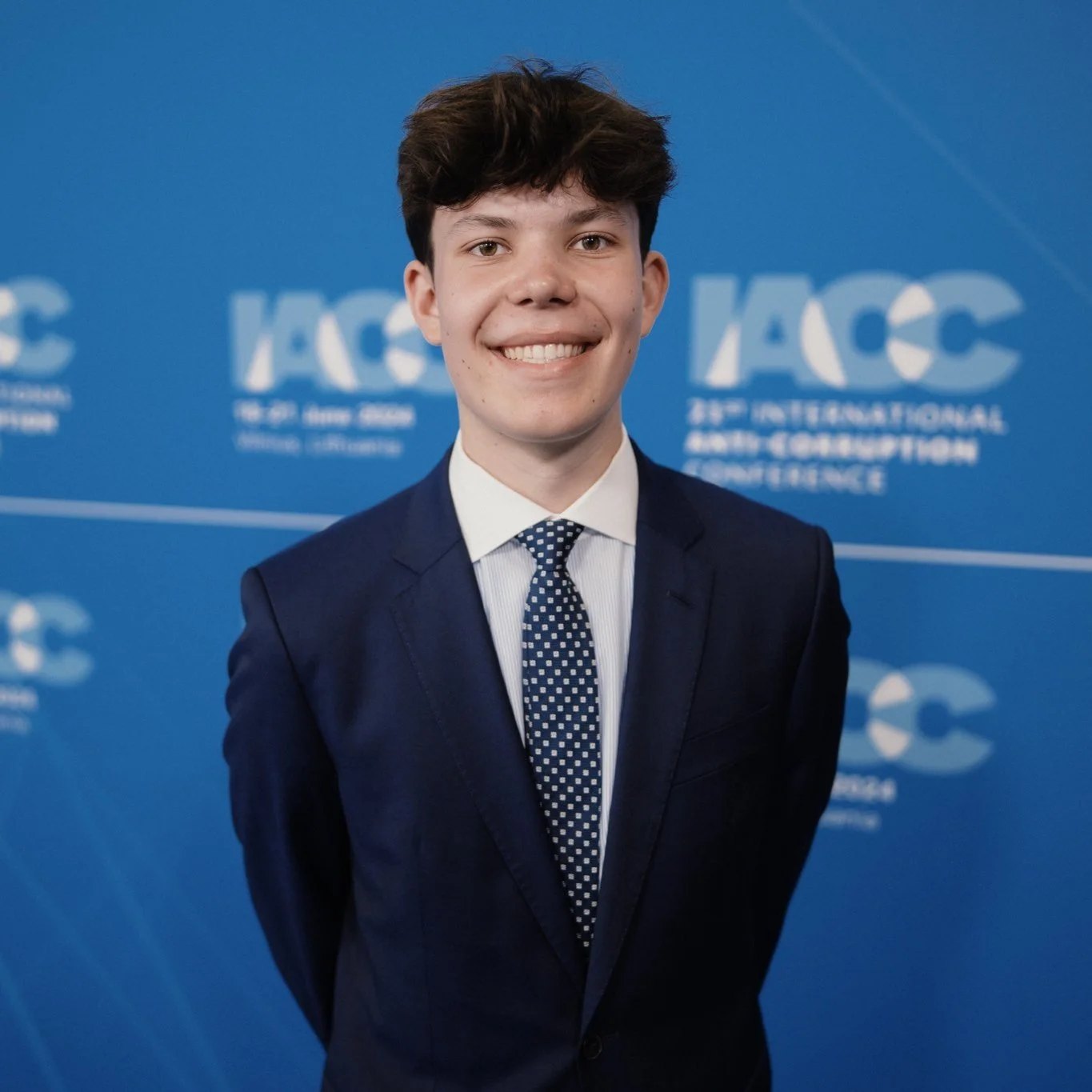

Kate Satterfield is a member of the Walsh School of Foreign Service’s class of 2027 studying Science, Technology, and International Affairs and minoring in Spanish. She is from Orlando, Florida before you ask, yes, she has been to Disney and no, not all Floridians have pet alligators (only some do). Outside of MUN, Kate is involved in Georgetown University Moot Court and a lab on campus studying the real UN . Kate also served as the Director of Programming for NCSC LII and the Executive Director for NCSC LIII and was a Chair for COP30 at NAIMUN LXII. When not reading or cramming for an exam, Kate spends her free time cooking new and interesting recipes, pretending to like going to the gym, exploring DC, and generally spending time outdoors. She is so excited to welcome all of you to DC for NAIMUN LXIII!
Committee Speaker
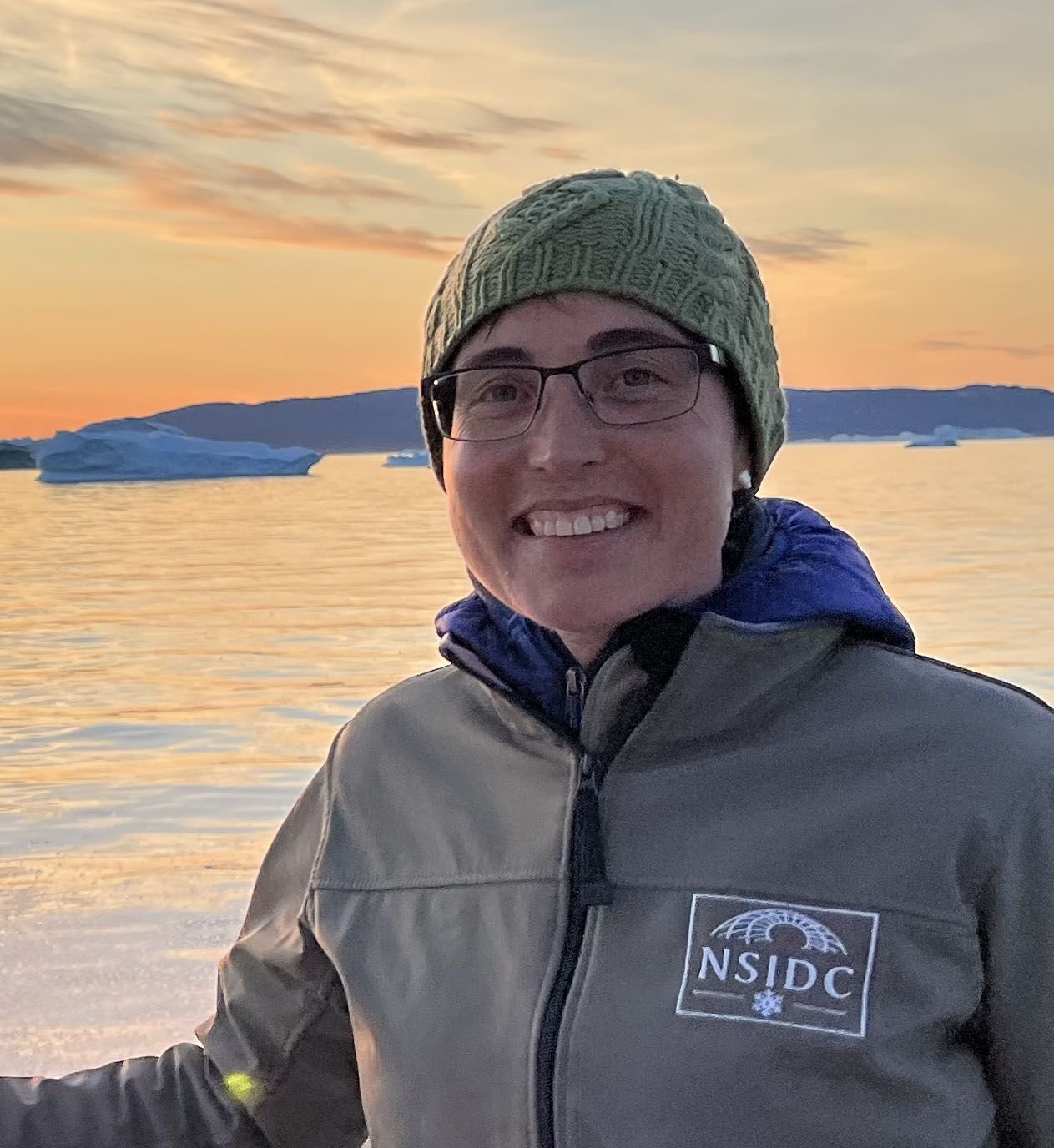
Dr. Twila A. Moon is Deputy Lead Scientist at the National Snow and Ice Data Center within the University of Colorado Boulder’s Cooperative Institute for Research in Environmental Sciences (CIRES), a global leader in Earth science. In 2025, Dr. Moon also became the first Climate Science Engagement Lead at the CIRES Center for Education, Engagement, and Evaluation, where she launched the Engage Climate Science program. Dr. Moon is a world-renowned glaciologist specializing in the connections across ice, climate, ocean, ecosystem, and society – and bringing climate science insights to decision makers and business leaders. Her pioneering research focuses on Greenland and the Arctic and has been published in high-impact journals and received global media coverage. Dr. Moon has testified for the U.S. Congress and is a lead editor for the Arctic Report Card, NOAA’s highest-impact annual report. In 2025, she was awarded the American Geophysical Union Pavel S. Molchanov Climate Communications Prize. After completing degrees at Stanford and the University of Washington, she received Postdoctoral Fellowships for work at the University of Colorado and the University of Oregon and held a Lectureship at the University of Bristol (UK) before returning to CIRES in 2017. Additional information is available at www.changingice.com.