

Dada Dissent: The Artistic Convention of Dadaists, 1916
APPROXIMATE COMMITTEE SIZE: 25 delegates
The Artistic Convention of Dadaists is a collective of creatives working to promote their anti-war agenda through art. In the aftermath of World War One, the Dada movement emerged, seeking to create art criticizing fascism and war. The artists explored many mediums including paintings, sculptures, and essays, often using absurdism to get their point across and they addressed a multitude of topics such as war technology, capitalism, and authoritarianism. As the world around them progressed, so did they, getting involved with political organizing to protest elections and leaders, which often led to restrictions on their work. Their efforts also extended to large-scale riots and disruptions, doing anything to spread the Dadaist message across Europe. In this committee, delegates will work to best spread the Dadaist message as extensively as possible. At the same time, however, they will encounter issues of political pushback as well as internal disagreements, forcing them to debate protest methodology with one another.
CHAIR: ainsley atwood
CRISIS MANAGER: summer niederman
ISSUES TO CONSIDER
Spreading the Message and Reach of Dadaism
Responding to Political Developments
Internal Conflicts among Dadaists
LEARNING OBJECTIVES
How media and pop culture can be used to generate change, and the benefits and pitfalls of such an approach.
The inner workings of international collaboration and charity work through governments, NGOs, and other organizations.
The potential for corruption, misuse of funds, or patronization within the organizations involved, and how best to avoid such an outcome.

About the Chair
Ainsley Atwood is in the class of 2026 in Georgetown’s School of Foreign Service, majoring in Culture and Politics and minoring in French and English! She is originally from Chicago, and she started MUN in her freshman year of high school. This is Ainsley’s fourth and final NAIMUN, as she served as a crisis analyst in the Smithsonian Board of Regents in 2023, as crisis manager in the Defense Policy Board in 2024, and as chair in Live Aid in 2025. Outside of NAIMUN, Ainsley loves spending time with her friends and spending her weekends with a cup of tea and a good book. She is so excited to be your chair!

About the Crisis manager
Summer Niederman is a member of the class of 2027 in the College of Arts and Sciences, planning to major in government and minor in Spanish and History. She is from Highland Beach, Florida. Her current topics of interest are constitutional law and foreign policy. In addition to working with NAIMUN, Summer writes for Georgetown University’s Free Speech Project and is a member of the Georgetown Moot Court team. Outside of her academic pursuits, Summer enjoys going for long walks with friends, especially along the Potomac. Summer’s favorite part of NAIMUN is that it brings together delegates from a variety of places to work together to solve important global issues. At the previous conference, she served as the Crisis Manager for the Historical Crisis Radio Ga Ga Committee. She is very excited to be a Crisis Manager again this year!
Committee Speaker
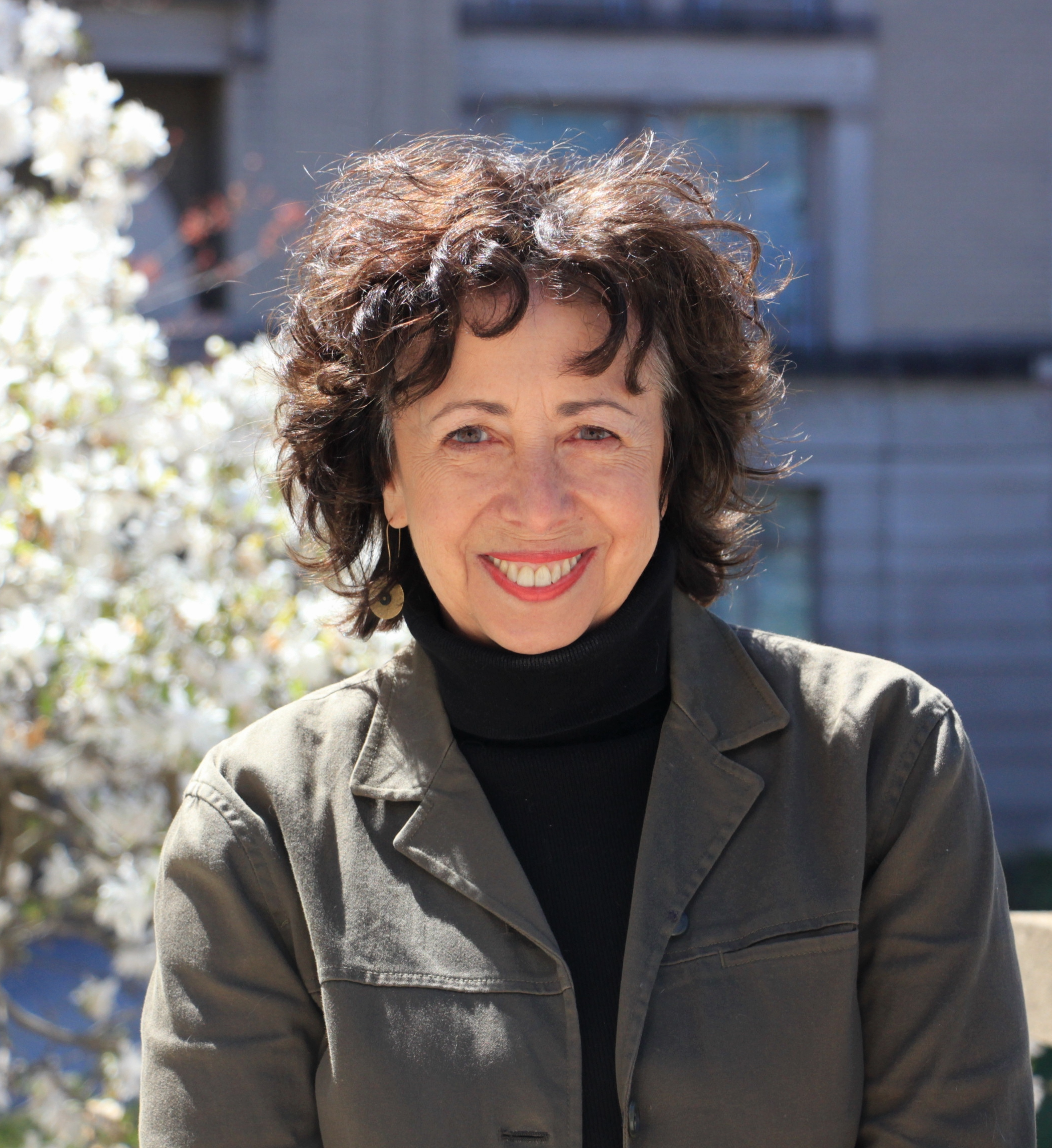
Elisa Massimino is Executive Director of the Human Rights Institute at Georgetown University Law Center, where she recently served as the Robert F. Drinan, S.J., Chair in
Human Rights, and is a senior fellow in national security and international policy at the Center for American Progress. Before joining the Georgetown faculty, Massimino was a senior fellow with the Carr Center for Human Rights Policy at Harvard’s Kennedy School of Government and a practitioner-in-residence at Georgetown’s Walsh School of Foreign Service. Previously, Massimino spent 27 years—the last decade as president and CEO—at Human Rights First, one of the nation’s leading human rights advocacy organizations.
Massimino has a distinguished record of human rights advocacy in Washington. She has testified before Congress dozens of times; writes frequently for mainstream publications and specialized journals; appears in major media outlets; and speaks to audiences around the country. During her leadership at Human Rights First, the influential Washington publication The Hill consistently named her one of the most effective public advocates in the country, and Washingtonian Magazine has repeatedly recognized her on their list of the most influential people shaping U.S. policy.
Massimino is a member of the Council on Foreign Relations and the U.S. Supreme Court Bar. She holds a law degree from the University of Michigan, a Master’s in philosophy from Johns Hopkins University, and is a Phi Beta Kappa graduate of Trinity University where she was recently recognized with the Distinguished Alumni Award.