Aashna Miharia, Press Corps 11
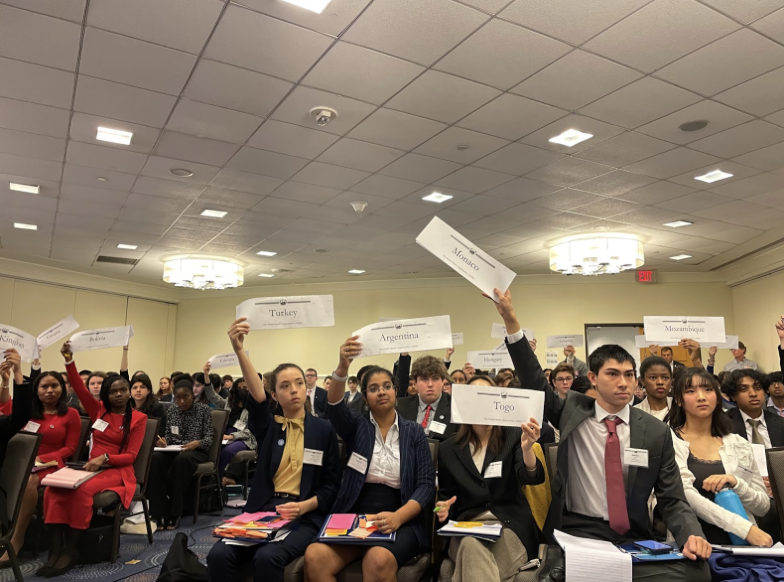
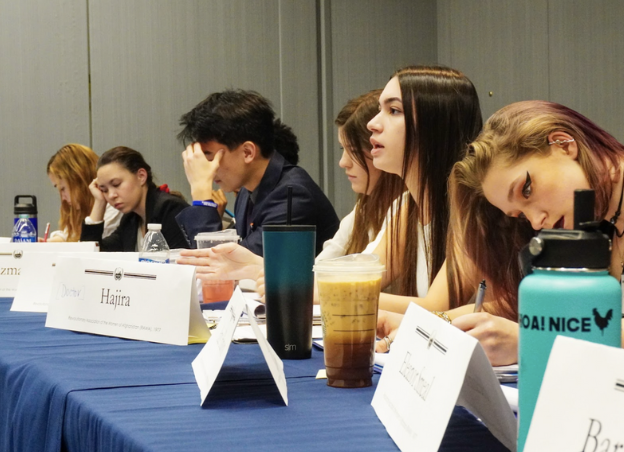
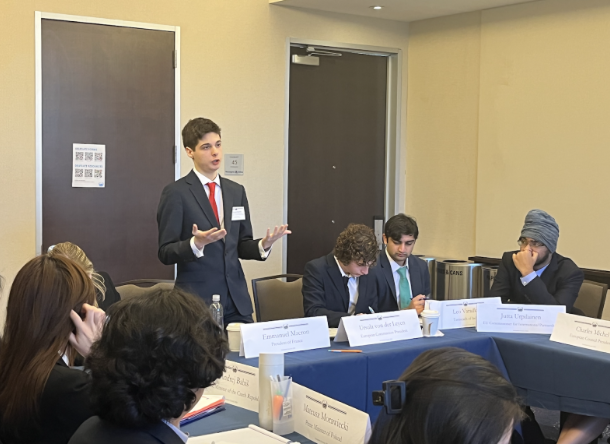
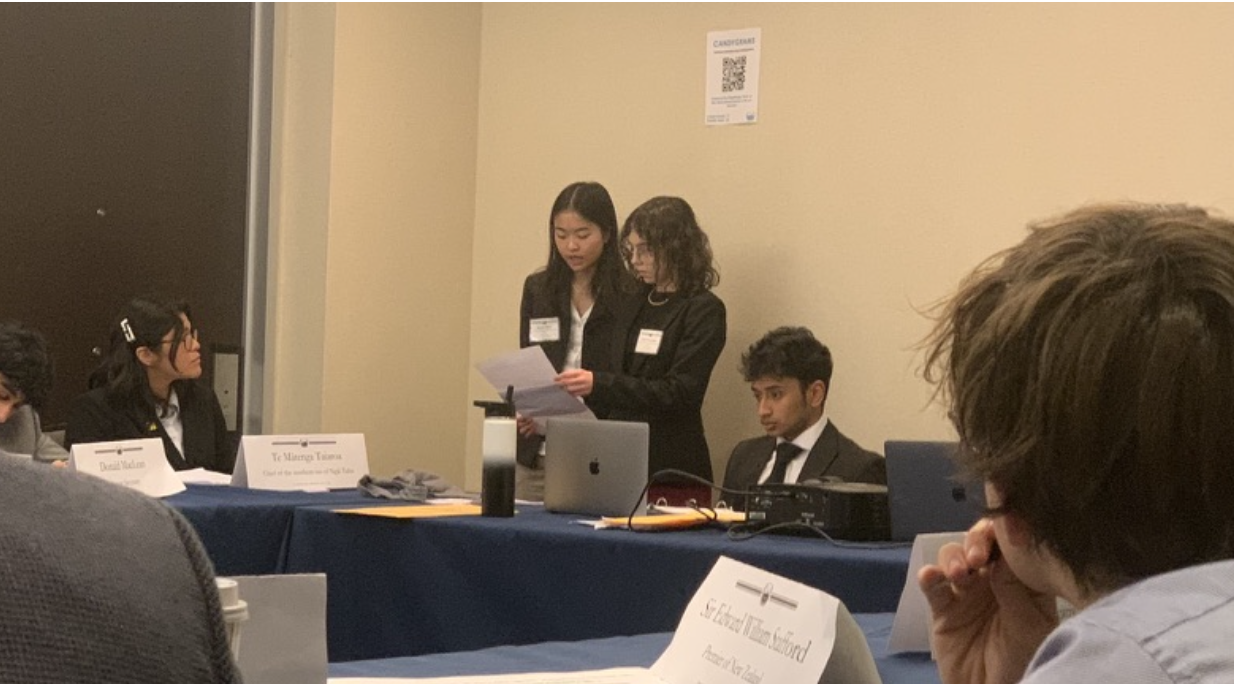
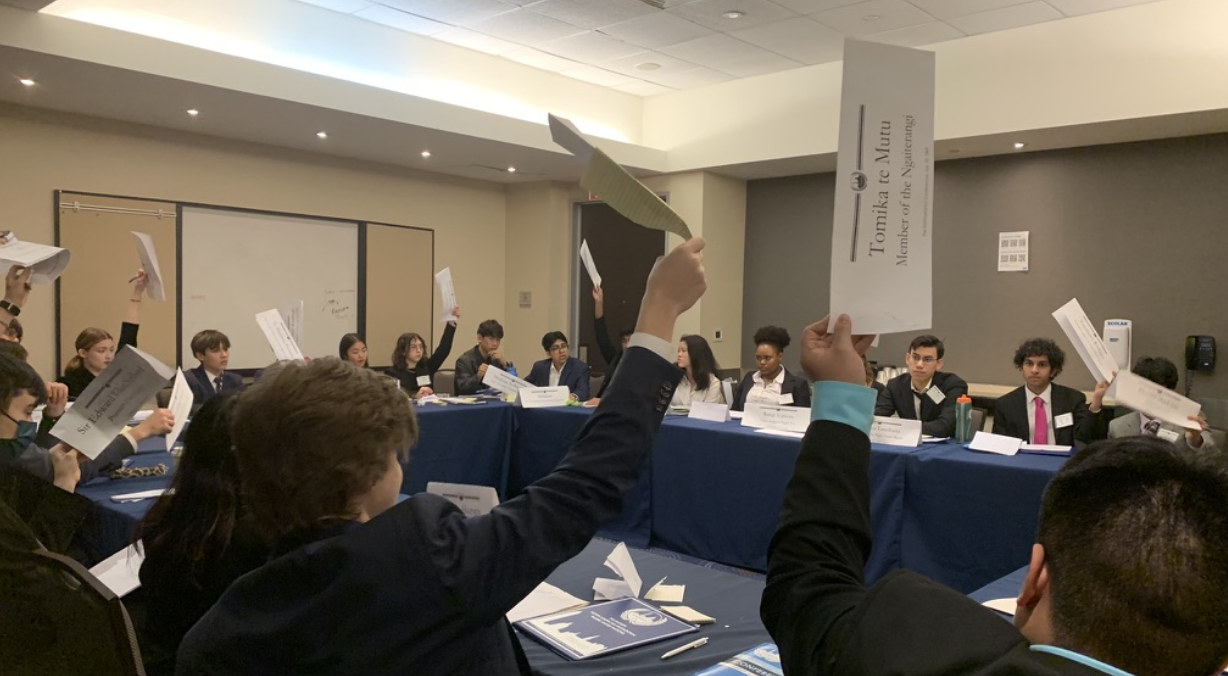
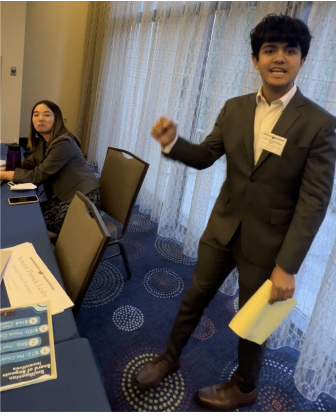
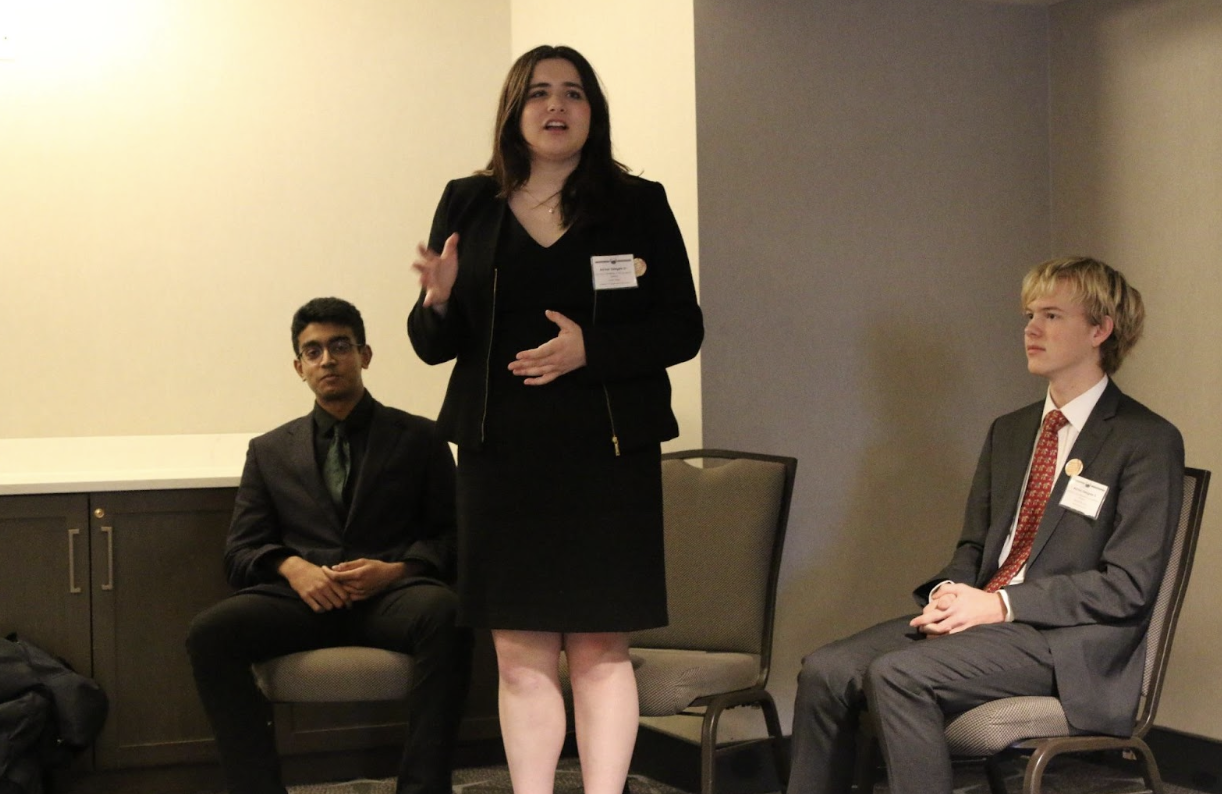
WHO, General Assemblies — Money may make the world go round, but so does education. On Saturday of NAIMUN LX weekend, the World Health Organization discussed how to grapple with increasing urbanization and its branching issues, ranging from poor sanitation to climate change.
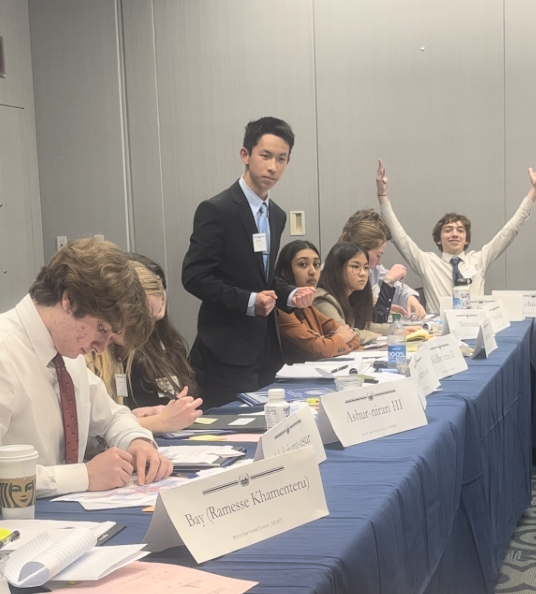
Two blocs, in particular, addressed education headfirst in their working papers—but in starkly different ways.
For members of “Developing Countries for Improvement,” or DCFI, education belongs to the people.
“A main part of why these diseases are spreading so rapidly is because of the illiteracy of medical expertise in these developing countries,” the delegate representing the Kingdom of Eswatini said to The NAIMUN Daily.
On Saturday, the Federal Democratic Republic of Ethiopia joined forces with DCFI when their entire bloc, SPEECH.IO, merged with DCFI.
“One of the things that is really important to our group is that women’s rights, and minority rights, and the concept of poverty have often not really been respected,” Ethiopia said, speaking of the newly-merged group.
This sector of delegates in the World Health Organization emphasized reform of the education systems worldwide in WHO. DCFI’s working paper specified that they want to implement sex education and maternal mortality into the curriculum.
“My hope is that the work that our bloc is doing is going to help bring minority groups [and] historically marginalized groups access to more resources, fighting poverty, and its health consequences from the perspective of improving economic development, education, [and] access to resources to hopefully reduce that disparity that exists right now,” explained Ethiopia.
On the other hand, the bloc “HEIS” wants to establish an International Exchange Fellowship for students in the healthcare field through the World Health Organization. They believe this education-oriented program would address various issues stemming from urbanization, including improving infrastructure, access to healthcare, and climate change.
As a delegate working with HEIS, The Republic of India explained what this group of nations plans to do regarding the International Exchange Fellowship: “We’re primarily working on sending accepted applicants for the fellowship to countries with major health issues due to poverty through existing study abroad programs.”
The Fellowship addresses how, in the name of global cooperation, developed nations are responsible for supporting developing countries. Rather than promoting the expansion of general medical literacy to entire populations of developing nations, HEIS aims to give healthcare workers invaluable experience while filling the system gap of equity, particularly in quality and access to healthcare, that developing countries endure.
“We’re basically sending young teachers [and] young professors who haven’t had much experience to other countries to teach them and basically pass on the word, honestly,” India explained further.
With that, the large committee of the World Health Organization stands divided. DCFI saw internal improvements take priority, as spreading vital medical literacy fosters a smarter, independent population. On the other hand, HEIS viewed external enhancements to take the cake so developing nations can receive a better quality of life immediately.
Delegates supporting either DCFI or HEIS must join forces and combine their ideas. HEIS’ International Exchange Fellowship addresses the immediate crisis of rapidly-growing urbanization. Still, DCFI’s ideas will help those developing nations become self-sufficient in the long run, as medically-literate generations will grow up to serve their homelands as healthcare workers.
Hopefully, discussions in the World Health Organization will wrap up on Sunday to weave everyone’s ideas into a multi-faceted solution that helps people in the present and gives hope for the future.